
Winter Season Health Care: Key Steps Parents Can Take to Prevent Flu and Pneumonia in Children
By Lokmat Times Desk | Updated: December 23, 2025 16:29 IST2025-12-23T16:28:42+5:302025-12-23T16:29:04+5:30



Winter months bring a sharp rise in seasonal flu and pneumonia cases among children, making prevention a major public ...
Winter Season Health Care: Key Steps Parents Can Take to Prevent Flu and Pneumonia in Children
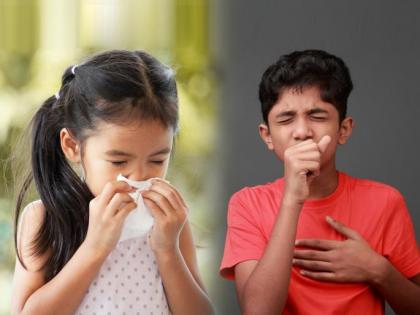
Winter months bring a sharp rise in seasonal flu and pneumonia cases among children, making prevention a major public health concern. Cold weather weakens immune responses and increases indoor crowding, allowing viruses and bacteria to spread faster. Children, especially infants and those with low immunity, are more vulnerable to severe respiratory infections during this period. Timely preventive care, awareness of early symptoms, and simple lifestyle measures can significantly reduce health risks. Parents and caregivers play a crucial role in ensuring children stay protected throughout the winter season by adopting safe habits and seeking medical attention when required.
Importance of Vaccination and Timely Immunisation
Vaccination remains one of the most effective ways to protect children from seasonal flu and pneumonia during winter. Immunisation helps the body build resistance against common viruses and bacteria that cause respiratory infections. Health experts recommend ensuring routine vaccines are up to date before winter sets in, especially for young children and those with existing health conditions. Seasonal flu shots can lower the severity of illness and reduce hospitalisation risks. Parents should consult healthcare providers to understand age-appropriate vaccines and follow recommended schedules to strengthen children’s immunity.
Maintaining Hygiene and Healthy Daily Habits
Good hygiene practices are essential to prevent the spread of infections among children during winter. Regular handwashing with soap, covering the mouth while coughing or sneezing, and avoiding close contact with sick individuals can limit exposure to germs. Children should be encouraged to wear warm clothing to protect against cold air, which can irritate airways. A balanced diet rich in fruits, vegetables, and warm fluids supports immune health. Adequate sleep and limited exposure to crowded indoor spaces further reduce the chances of flu and pneumonia.
Recognising Early Symptoms and Seeking Prompt Care
Early detection of flu and pneumonia symptoms can prevent complications in children. Common warning signs include persistent fever, cough, breathing difficulty, fatigue, and reduced appetite. Parents should closely monitor symptoms and avoid delaying medical consultation if conditions worsen. Timely treatment can help manage infections effectively and prevent severe outcomes. Using prescribed medications responsibly and completing treatment courses is crucial for recovery. Awareness, prompt action, and regular follow-ups ensure children receive proper care, helping them stay safe and healthy throughout the winter season.
