
CENTCOM "redirects" 61 vessels, disables 4 as US warships enforce Strait of Hormuz blockade
By ANI | Updated: May 10, 2026 21:55 IST2026-05-11T03:23:11+5:302026-05-10T21:55:12+5:30



Florida [US], May 10 : US Central Command (CENTCOM) has announced that its forces have "redirected" 61 commercial vessels ...
CENTCOM "redirects" 61 vessels, disables 4 as US warships enforce Strait of Hormuz blockade
Florida [US], May 10 : US Central Command (CENTCOM) has announced that its forces have "redirected" 61 commercial vessels as part of the persistent maritime siege of the Strait of Hormuz.
In an update regarding the ongoing operations, the military command further confirmed that they had disabled four others while maintaining the strategic blockade of the critical waterway.
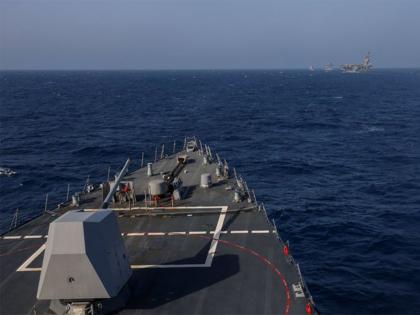
According to a CENTCOM social media post, the naval operation remains extensive, with more than 20 warships currently deployed to enforce the measures against Iran.
{{{{twitter_post_id####}}}}USS John Finn (DDG 113) sails behind USS Milius (DDG 69), USNS Carl Brashear (T-AKE-7), and USS George H.W. Bush (CVN 77) in the Arabian Sea.
Over 20 U.S. warships are enforcing the blockade against Iran. CENTCOM forces have redirected 61 commercial vessels and disabled 4 to… pic.twitter.com/gG9B2K5c9p
— U.S. Central Command (@CENTCOM) May 10, 2026
This sustained military pressure coincides with a pivotal shift on the diplomatic front, as Iran formally submitted its reply to the most recent American proposal for regional de-escalation on Sunday. State media confirmed the message was transmitted via Pakistani mediators, following an announcement from Tehran that it had finished a detailed review of Washington's proposal.
According to Iran's state-run IRNA news agency, the present stage of discussions is expected to concentrate on ending the ongoing conflict in the region.
This latest communication comes amid reports that Tehran has formulated a "14-point plan" intended to counter the US-supported "nine-point peace plan".
According to media reports, the Iranian proposal outlines a three-stage roadmap, which includes a 30-day phase designed to transition a temporary ceasefire into a permanent end to hostilities. As part of the negotiations, Tehran has reportedly sought sanctions relief, the removal of restrictions on Iranian ports, the withdrawal of US troops from the region, and a halt to Israeli military operations in Lebanon.
However, these intensifying diplomatic efforts are occurring against a backdrop of heightened friction and a potential breakdown of stability in the Gulf. Iran recently cautioned that its "restraint is over" and issued threats of retaliation should its vessels be targeted. This warning followed a series of reports regarding strikes on commercial shipping near the Strait of Hormuz and the coast of Qatar.
Further complicating the security landscape, Iran's Revolutionary Guards have warned of "heavy attacks" against American interests in the event of further strikes on Iranian tankers. These statements follow reports that a US fighter jet disabled two Iranian-flagged vessels in the Gulf of Oman, leaving the region caught between a fragile peace process and the threat of expanded naval warfare.
Disclaimer: This post has been auto-published from an agency feed without any modifications to the text and has not been reviewed by an editor
Open in app