
China accused of pressuring Taiwanese media to aid crackdown on independence voices
By ANI | Updated: May 13, 2026 17:10 IST2026-05-13T22:39:03+5:302026-05-13T17:10:15+5:30



Taipei [Taiwan], May 13 Taiwan's government has sharply criticised China after Chinese officials allegedly encouraged Taiwanese media organisations ...
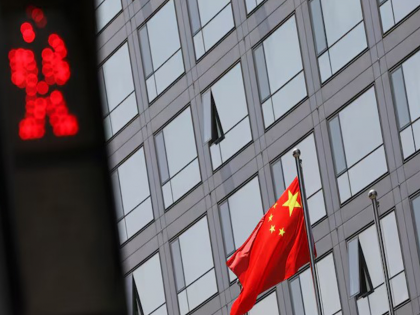
China accused of pressuring Taiwanese media to aid crackdown on independence voices
Taipei [Taiwan], May 13 Taiwan's government has sharply criticised China after Chinese officials allegedly encouraged Taiwanese media organisations to assist in identifying and publicising supporters of Taiwan independence, a move Taipei described as part of China's growing campaign of cross-border political intimidation, as reported by The Taipei Times.
According to The Taipei Times, Taiwan's Mainland Affairs Council (MAC) said Chinese authorities recently invited representatives from several Taiwanese media organisations to Beijing and urged them to cooperate in exposing what China calls "Taiwan independence separatist activities".
The council stated that such actions could place Taiwanese journalists and media executives at risk of violating national security laws. The MAC accused Beijing of attempting to weaponise Taiwanese media to silence dissent and pressure citizens through fear. The council stated that advocacy for Taiwan independence is protected under Taiwan's democratic system and falls within the scope of free speech.
The controversy emerged during the seventh Cross-Strait Media Summit held in Beijing, where Wu Xi, deputy director of China's Taiwan Affairs Office, accused pro-independence groups in Taiwan of spreading misinformation and fuelling hostility toward China. Wu called on media professionals from both sides of the Taiwan Strait to counter such narratives through what he described as "truthful reporting" and commentary.
Taiwanese authorities, however, argued that Beijing's remarks amounted to encouraging local media to participate in political targeting campaigns directed by the Chinese Communist Party. The MAC stated that any Taiwanese outlet cooperating with Chinese authorities to identify individuals, share personal data, or circulate so-called "wanted" notices against independence supporters could face prosecution under Taiwan's Anti-Infiltration Act and National Security Act, as highlighted by The Taipei Times.
The MAC said those found guilty of aiding Beijing's efforts could face prison sentences exceeding seven years. The summit reportedly drew more than 100 media executives and academics from both sides. Among the attendees was Chou Hsi-wei, vice chairman of Taiwan's Want Want Group, whose media holdings include CTi Television and the China Times. Xinhua also covered the gathering, as reported by The Taipei Times.
Disclaimer: This post has been auto-published from an agency feed without any modifications to the text and has not been reviewed by an editor
Open in app