
Lebanon must be part of Iran-US peace deal: Iranian Parliament speaker Ghalibaf tells Pakistani mediators
By ANI | Updated: April 17, 2026 04:00 IST2026-04-17T09:29:19+5:302026-04-17T04:00:11+5:30



Tehran [Iran], April 17 : The Iranian Parliament speaker, Mohammad Bagher Ghalibaf, has said that Lebanon must be included ...
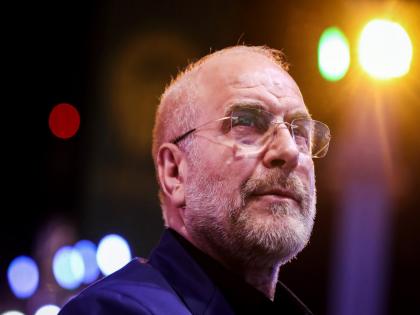
Lebanon must be part of Iran-US peace deal: Iranian Parliament speaker Ghalibaf tells Pakistani mediators
Tehran [Iran], April 17 : The Iranian Parliament speaker, Mohammad Bagher Ghalibaf, has said that Lebanon must be included in any comprehensive agreement between Iran and the United States, as diplomatic efforts continue following a ceasefire announcement in the region, CNN reported.
Speaking to Pakistani mediators, including Pakistan Army Chief Asim Munir, Ghalibaf stressed Lebanon's centrality to any lasting peace framework, according to CNN.
"Lebanon is an inseparable part of the comprehensive ceasefire and has an important role in moving forward toward lasting peace in the region," he said, CNN reported, citing Iranian state media.
Munir is currently in Tehran for high-level discussions aimed at facilitating talks between Iran and the United States, including preparations for a possible second round of negotiations following initial talks held in Islamabad.
The remarks come after US President Donald Trump announced a 10-day ceasefire between Israel and Iran-backed Hezbollah, which is seen as a potential step toward broader de-escalation.
However, Ghalibaf also accused Washington of undermining regional stability, warning that US actions could "prevent measures from reaching a result", as reported by CNN.
Ghalibaf also attributed the ceasefire to Hezbollah's resistance while maintaining a cautious stance.
"As I said last night, the ceasefire was only the result of the extraordinary steadfastness of the heroes of Hezbollah and the unity of the Axis of Resistance," he wrote on X.
{{{{twitter_post_id####}}}}كما قلتُ ليلة أمس أيضاً، إن وقف إطلاق النار لم يكن إلا نتيجة لصمود حزب الله واتحاد محور المقاومة؛ وسوف نتعامل مع وقف إطلاق النار هذا بحذر، وسنبقى معًا حتى التحقق الكامل للنصر.
أشكر الجهود الوسيطة لدولة باكستان والجنرال عاصم منير لإقرار وقف إطلاق النار هذا.
إنّا على العهد... https://t.co/6f3CIa3jNH
— محمدباقر قالیباف | MB Ghalibaf (@mb_ghalibaf) April 16, 2026
However, he added, "we will deal with this ceasefire with caution, and we will remain together until the full realization of victory."
Meanwhile, reactions across the Arab world have been largely positive, with several countries welcoming the ceasefire while urging adherence to its terms.
The United Arab Emirates on X expressed hope that the truce would become "a positive step toward cultivating an environment that is supportive of regional stability."
Jordan on X praised the "significantly positive role" played by Lebanese leadership, including President Joseph Aoun, Prime Minister Nawaf Salam, and Speaker Nabih Berri.
According to CNN, Saudi Arabia and Oman also welcomed the development, with Oman stressing "the importance of all concerned parties abiding by (the ceasefire's) terms and working on avoiding any violations that would undermine it."
Egypt, meanwhile, called on Israel to comply with UN Security Council Resolution 1701, which mandates a cessation of hostilities between Israel and Hezbollah, CNN reported.
Meanwhile, Iran's Foreign Ministry criticised fresh US sanctions threats, terming them "economic terrorism", as reported by CNN.
As per CNN, the ministry's spokesperson Esmaeil Baghaei said, "The policies 'are nothing short of economic terrorism and state-sponsored extortion - actions that amount to crimes against humanity and, in their cumulative effect, constitute genocide.'"
The comments followed remarks by US Treasury Secretary Scott Bessent, who warned of stricter economic measures.
"We are now willing to apply secondary sanctions, which is a very stern measure, and the Iranians should know that this is going to be the financial equivalent of what we saw in the kinetic activities," Bessent told the media, as reported by CNN.
The proposed sanctions are expected to target entities involved in exporting Iranian oil and gas, as well as countries purchasing Iranian crude, CNN reported.
The developments highlight ongoing diplomatic efforts alongside persistent tensions, as regional and global stakeholders seek to stabilise the situation in West Asia.
Disclaimer: This post has been auto-published from an agency feed without any modifications to the text and has not been reviewed by an editor
Open in app