
Nepal's request for fertiliser support from India "is being processed", confirms MEA
By ANI | Updated: May 12, 2026 17:55 IST2026-05-12T23:22:13+5:302026-05-12T17:55:11+5:30



New Delhi [India], May 12 : Amid the ongoing West Asia crisis, Nepal has requested a supply of fertilisers ...
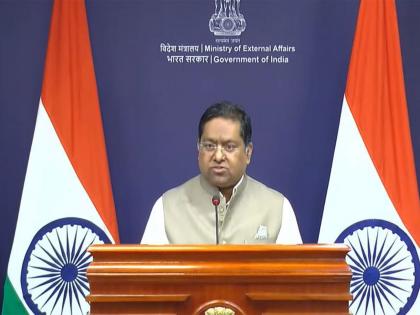
Nepal's request for fertiliser support from India "is being processed", confirms MEA
New Delhi [India], May 12 : Amid the ongoing West Asia crisis, Nepal has requested a supply of fertilisers from India, which is being processed within the existing framework of cooperation, the Ministry of External Affairs said on Tuesday.
Responding to a question during a press briefing in the national capital, the External Affairs Spokesperson Radhir Jaiswal highlighted the ongoing cooperation with Kathmandu, particularly in the agricultural sector. "We have received a request from Nepal for the supply of fertilisers. This is being processed within the existing framework of cooperation," Jaiswal confirmed.
The development comes ahead of the paddy transplantation season in Nepal.
India continues to anchor regional stability by addressing the essential needs of its neighbours, reinforcing its role as a reliable partner in South Asia through the steady supply of agricultural and energy resources.
Beyond agricultural inputs, the MEA spokesperson detailed India's extensive energy footprint across the subcontinent, noting that New Delhi remains a primary provider for several nations. "We have been supplying energy products to countries in the neighbourhood. We have been supplying diesel to Bangladesh through the high-speed diesel friendship pipeline that we have," Jaiswal stated.
He further noted that India has been responsive to the evolving requirements of its partners. "We also got some additional requests from Bangladesh, which we met and we are meeting. We've also been supplying energy products to Bhutan as per the existing regimen, as well as Nepal, as per the commercial agreement and the arrangement that we have presently with them," the MEA spokesperson added.
The reach of this energy cooperation extends across the Indian Ocean as well. "We have likewise supplied energy products to Sri Lanka, and there are some arrangements that are in the works right now with Mauritius as well," Jaiswal said.
As per a report in the Kathmandu Post on May 4, amidst severe geopolitical turbulence and soaring global prices, the Nepal government has granted in-principle approval for the emergency procurement of 80,000 tonnes of chemical fertiliser from India under a government-to-government (G2G) arrangement. This strategic move follows mounting pressure on the nation's farm input system, which has been severely strained by supply chain disruptions triggered by the ongoing West Asia war.
The one-time procurement, facilitated within the framework of a 2022 agreement, includes 60,000 tonnes of urea and 20,000 tonnes of Di-Ammonium Phosphate (DAP). While Kathmandu had originally requested 150,000 tonnes to secure its agricultural needs, The Kathmandu Post highlighted that this approved volume serves as a vital lifeline for the upcoming season.
"We will move ahead with the import process immediately after receiving the Cabinet's formal decision," stated Ram Krishna Shrestha, joint secretary at Nepal's Ministry of Agriculture and Livestock Development. Shrestha, who also chairs the Agriculture Inputs Company, informed The Kathmandu Post that the "Agriculture Inputs Company will place purchase orders once all procedures are completed."
The ministry sought immediate intervention after receiving a positive response from the Indian state-owned supplier, Rashtriya Chemicals and Fertilisers Limited. Shrestha noted that the consignment is expected to arrive by mid-August, aligning with the critical top-dressing period for paddy cultivation. Highlighting the risks of traditional procurement, he told The Kathmandu Post that "as issuing fresh tenders can take at least 225 days, it risks creating an acute shortage," adding that while they invited suppliers to honour their contracts, "we cannot depend entirely on them."
The financial implications of the global crisis are stark. Although Nepal's government allocated Rs 28.82 billion in subsidies, escalating prices have reduced the planned procurement of 550,000 tonnes to roughly 440,000 tonnes. "It is beyond the government's capacity to fully subsidise fertiliser at current global prices, as it would require nearly Rs 80 billion," Shrestha warned, according to The Kathmandu Post.
Despite the original five-year MoU expiring on March 31, 2026, diplomatic channels remain active to ensure stability. Shrestha confirmed to the Nepal publication that "the G2G framework remains valid through 2026, and we have already sent a draft for extension to the Indian side," noting further that "we have been informed that it is under consideration."
Disclaimer: This post has been auto-published from an agency feed without any modifications to the text and has not been reviewed by an editor
Open in app