
Pakistan lacks "credibility" to mediate between Tehran and Washington, says senior Iranian lawmaker Ebrahim Rezaei
By ANI | Updated: April 27, 2026 14:50 IST2026-04-27T20:19:05+5:302026-04-27T14:50:08+5:30



Tehran [Iran], April 27 : As diplomatic efforts to secure a breakthrough between the United States and Iran continue, ...
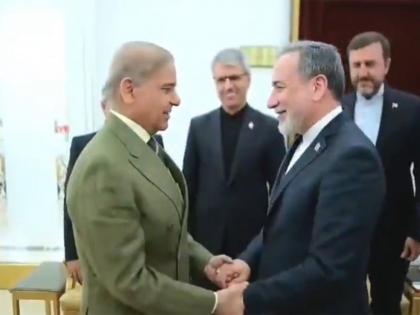
Pakistan lacks "credibility" to mediate between Tehran and Washington, says senior Iranian lawmaker Ebrahim Rezaei
Tehran [Iran], April 27 : As diplomatic efforts to secure a breakthrough between the United States and Iran continue, a senior Iranian lawmaker has raised significant concerns regarding Pakistan's role as a neutral intermediary.
Ebrahim Rezaei, the spokesperson for Iran's national security and foreign policy commission, suggested that Islamabad may be too aligned with Washington to serve as an effective go-between.
In a statement shared on X, the Dashtestan representative argued that "Pakistan is a good friend and neighbour of ours, but it is not a suitable mediator for negotiations and lacks the necessary credibility." He further alleged that Pakistani officials "always take Trump's interests into account and do not speak against the Americans' wishes," citing a perceived reluctance to challenge US diplomatic reversals.
{{{{twitter_post_id####}}}}پاکستان دوست و همسایه خوب ماست اما واسطه مناسبی جهت مذاکرات نیست و اعتبار لازم را برای واسطهگری ندارد. آنها همیشه مصلحت ترامپ را در نظر میگیرند و برخلاف میل آمریکاییها حرفی نمیزنند بطور مثال حاضر نیستند به دنیا بگویند که آمریکا ابتدا پیشنهاد پاکستان را پذیرفت اما بعد زیر حرفش…— ابراهیم رضایی (@EbrahimRezaei14) April 26, 2026
Rezaei pointed to specific instances where he felt the mediation had been one-sided, claiming the intermediaries "do not say that the Americans had commitments regarding Lebanon or blocked assets but failed to honour them." Emphasising the need for a balanced approach, the MP noted that "a mediator must be impartial, not always leaning to one side."
These critical remarks come despite intensive shuttle diplomacy by Iranian Foreign Minister Abbas Araghchi, who recently visited Islamabad to sustain the momentum of the talks. During his mission, Araghchi engaged with Pakistan's Army Chief, General Asim Munir, along with Prime Minister Shehbaz Sharif, to explore potential pathways towards resolving the regional conflict.
Before his arrival in Pakistan, Araghchi had held consultations in Oman with Sultan Haitham bin Tariq Al Said, focusing on maritime safety and broader diplomatic frameworks. Discussions have reportedly expanded beyond the traditional nuclear impasse to include a "new legal framework for the strait," as well as demands for compensation, security assurances, and the removal of US naval restrictions.
The Iranian Foreign Minister has since travelled to Moscow for further high-level talks, even as the pace of negotiations appears to be slowing. The diplomatic friction is underscored by a recent shift in Washington's stance, where President Donald Trump indicated that Iranian authorities "can initiate contact" if they seek to negotiate, following the cancellation of a proposed US delegation visit to Pakistan.
Despite the friction, following the cancellation of high-profile Islamabad peace talks by US President Donald Trump last week, "fresh signs" of diplomatic movement have surfaced.
Tehran has reportedly provided Washington with a "new proposal" aimed at the dual objectives to "reopen the Strait of Hormuz and end the war," according to a report by Axios, which cited a US official. As part of this diplomatic framework, Iran has also suggested a move to "postpone nuclear negotiations" until a subsequent phase of the peace process.
Disclaimer: This post has been auto-published from an agency feed without any modifications to the text and has not been reviewed by an editor
Open in app