
Pakistan's inflation to remain in double digits through April 2026 amid rising energy costs
By ANI | Updated: April 23, 2026 14:10 IST2026-04-23T19:38:55+5:302026-04-23T14:10:17+5:30



Karachi [Pakistan], April 23 : Inflation in Pakistan is likely to stay in double digits through April 2026, as ...
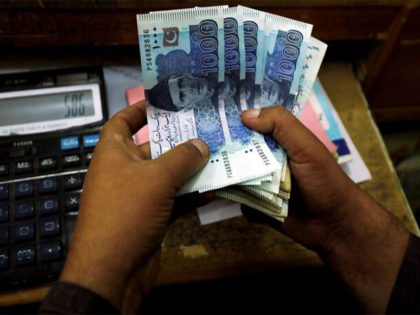
Pakistan's inflation to remain in double digits through April 2026 amid rising energy costs
Karachi [Pakistan], April 23 : Inflation in Pakistan is likely to stay in double digits through April 2026, as persistent cost pressures continue to weigh heavily on the economy. Overall price levels remain high due to sustained energy costs, currency fluctuations, and structural inefficiencies, as reported by The Express Tribune.
According to The Express Tribune, a report by Optimus Capital identifies energy inflation as the main contributor to stubborn price levels, with year-on-year energy costs expected to near 30 per cent. The report attributes this to firm global oil prices, limited fiscal room for subsidies, and continued transmission of fuel price hikes into the broader economy.
Transport costs, in particular, remain volatile, influencing both direct inflation and secondary sectors such as food logistics and distribution. Food inflation, while relatively stable in headline figures, remains exposed to disruptions.
Analyst Maaz Azam noted that supply improvements are inconsistent and often short-lived. Seasonal fluctuations, weak infrastructure, and border disruptions continue to create localised shortages, while agricultural incomes remain vulnerable to logistical inefficiencies that could undermine gains from better harvests.
The report further highlights overlapping domestic and external risks. Improved trade through the Iran-Central Asia corridor could ease supply constraints over time, but restricted operations at the Afghan border continue to hinder smooth commodity flows, causing periodic price distortions.
Weather-related risks are also emerging, with potential El Nino conditions from mid-2026 posing threats to crop yields and water availability. While reservoir levels are currently better than last year, climate uncertainty remains a concern for food prices.
For April, Pakistan's National Consumer Price Index is projected to rise around 10 per cent year-on-year, maintaining double-digit inflation, as cited by The Express Tribune.
Monthly increases are expected to be led by fuel-driven transport costs, along with modest pressure from housing, utilities, and LPG prices. Core inflation is also estimated at around 10 per cent, reflecting entrenched structural pressures, including wage adjustments and exchange rate pass-through.
Looking ahead, the macroeconomic outlook remains fragile. While external financing has offered temporary relief, risks from oil prices and imported inflation persist, as reported by The Express Tribune.
Disclaimer: This post has been auto-published from an agency feed without any modifications to the text and has not been reviewed by an editor
Open in app