
Protest erupts in Nepal against taxation on imports above 100 rupees from India
By ANI | Updated: April 19, 2026 23:00 IST2026-04-20T04:25:41+5:302026-04-19T23:00:12+5:30



Birgunj [Nepal], April 19 : A protest has erupted in Nepal's Birgunj town, adjoining India, against the government directive ...
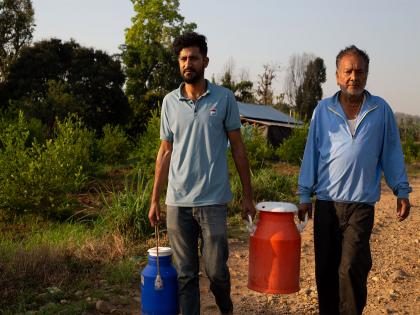
Protest erupts in Nepal against taxation on imports above 100 rupees from India
Birgunj [Nepal], April 19 : A protest has erupted in Nepal's Birgunj town, adjoining India, against the government directive to tax all sorts of items above NRS 100 being imported from India.
The protest comes in the wake of the strict monitoring by the security agencies along the border points in the southern plains of Nepal, claimed to control the revenue leakage.
The move comes amid complaints that residents in border areas frequently travel to Indian markets to purchase food items, clothing and other household goods, leading to sluggish local markets and loss of national revenue.
"Whatever the rituals are performed here (Nepal) from birth to death, we bring all the essentials from there (India), even the fertilisers which the Government of Nepal at times is not able to provide on time, we bring them from there. Now the situation has turned different; it is an unannounced blockade. The Jana Adhikar Party demand it to be withdrawn. Failure to control the plunder by the Government of Nepal is its incapacity," a protester told ANI.
The Armed Police Force (APF) has started urging people to mandatorily pay customs duty on goods worth more than Rs 100 brought in from India. Targeting ordinary citizens who previously enjoyed informal customs exemptions for small purchases and household items, the government has begun strictly enforcing a rule requiring mandatory customs duties on any goods valued over NRS. 100 rupees.
"They're not allowed to bring in items that cost above NRS 100 without paying tax; we want this provision to end. It has brought us to the protest. They should also respect the relation that exists- the relation of Roti-Beti between India and Nepal. We are demanding that the government give an exemption to the items that cost above Nrs. 100, which is for domestic use," another protestor told ANI.
The secondary customs points are seeing widespread crackdowns in the name of controlling customs evasion. High-ranking officials at the Department of Customs have confirmed this tightening of border controls. An official stated that the government's previous declaration to control revenue leakage at border points is now being implemented strictly.
'It has always been the government's policy to adopt a zero-tolerance approach to prevent illegal imports in customs areas. The Customs Act already had a provision requiring duties on goods worth more than 100 rupees, the official said. 'We have become more proactive now. There are similar directives from the Minister and the Prime Minister.'
According to the official, joint monitoring teams comprising the Department of Customs, the Department of Revenue Investigation, District Administration Offices, Nepal Police, and the Armed Police Force have increased their activity, leading to stricter controls on all goods entering the country.
Furthermore, private vehicles with Indian license plates are now prohibited from entering Nepal without prior authorisation. Previously, motorcycles with such plates were frequently seen entering Nepal, and some individuals were even using them within the country.
This unilateral, strict policy and the ban on Indian-registered vehicles have created significant problems in the border districts of Madhesh, affecting the daily lives of residents. Various political parties, civil society leaders, and local residents have expressed intense dissatisfaction, claiming that the decision from Kathmandu ignores the reality of life in the Madhesh region.
The scene at the border now appears abnormal and tense. The checks conducted by the Armed Police Force on Nepalis returning from the weekly market in Phareniya, Rupandehi, reflect the reality of the border. Long lines are visible as every person's bags and packages are opened and inspected.
Disclaimer: This post has been auto-published from an agency feed without any modifications to the text and has not been reviewed by an editor
Open in app