
UN experts raise concern over China's 'Ethnic Unity and Progress Law'
By IANS | Updated: April 26, 2026 20:50 IST2026-04-26T20:46:47+5:302026-04-26T20:50:36+5:30



Beijing, April 26 The International Campaign for Tibet (ICT), an international NGO, has welcomed the eight United Nations ...
UN experts raise concern over China's 'Ethnic Unity and Progress Law'
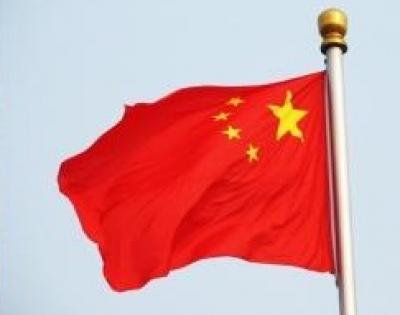
Beijing, April 26 The International Campaign for Tibet (ICT), an international NGO, has welcomed the eight United Nations special mandate holders' statement, challenging China’s implementation of its “Ethnic Unity and Progress Law” as the latest tool for the Chinese Community Party to enhance its “Sinicization” goal of forced cultural and linguistic assimilation of Tibetans and members of other communities, a report has stated.
The Special Rapporteurs said, "We would like to draw attention to risks that the Law on Promoting Ethnic Unity and Progress could entrench a uniform approach to ethnic relations across all regions of China, thereby potentially amplifying restrictions on minority rights."
The Special Rapporteurs noted that the law, which goes into effect on July 1, could change temporary or experimental regional measures into binding nationwide obligations, which could have serious impact on linguistic, cultural, and religious autonomy of ethnic communities, including Tibetans, Uyghurs, and Mongols, according to a report by International Campaign for Tibet (ICT).
On the law's treatment of language education, the Special Rapporteurs mentioned that requiring Tibetan to "be subordinate to Mandarin ‘in position, order, and so forth’ in public settings reinforces linguistic hierarchy." In addition, the experts stated that law's prohibition to stop people in China from learning Mandarin "could be turned against educators, parents, or advocates who prioritize" learning the Tibetan language.
On cultural preservation, the Special Rapporteurs stated that the law seems to "centralize interpretive authority over what constitutes acceptable cultural expression, which could constrain the practical exercise of cultural autonomy, contradicting Article 38 of the Law of the People’s Republic of China on Regional National Autonomy," according to a report by ICT.
On freedom of religion, the Special Rapporteurs stated that the law seems to "undermine" its enjoyment as it conditions religion or belief practice on State-mandated ideological alignment, while intervening with the autonomy of religious doctrine, the independence of religious and belief institutions, and the right of people to practice their beliefs free from State coercion, according to a report by ICT.
On transnational repression, Beijing through Article 63 of the law gets pretext to target people outside China for acts which "undermine ethnic unity and progress or create ethnic division." Such vaguely defined language could result in China expanding transnational repression against members of the Tibetan, Uyghur and Mongolian diaspora and others, who use their internationally recognised right to speak freely and criticise China’s policies.
ICT President Tencho Gyatso said, "ICT welcomes these expert findings as they clearly expose and unmask the CCP’s intention to erode Tibet’s unique cultural, linguistic and religious heritage and assimilate Tibetans. The long list of serious rights violations resulting from this law is breathtaking."
ICT urged the US, the European Union, likeminded governments and other international partners to integrate the findings of the UN experts into upcoming meetings with Chinese officials and within United Nations and other multilateral venues.
Disclaimer: This post has been auto-published from an agency feed without any modifications to the text and has not been reviewed by an editor
Open in app