
US-Iran-Israel War: Drone Strike Hits Saudi Aramco’s Largest Refinery Again as Middle East Tensions Surge
By Lokmat Times Desk | Updated: March 4, 2026 17:34 IST2026-03-04T17:29:43+5:302026-03-04T17:34:12+5:30



Saudi Aramco’s Ras Tanura refinery, the kingdom’s largest domestic refinery and a cornerstone of its energy sector, was struck ...
US-Iran-Israel War: Drone Strike Hits Saudi Aramco’s Largest Refinery Again as Middle East Tensions Surge
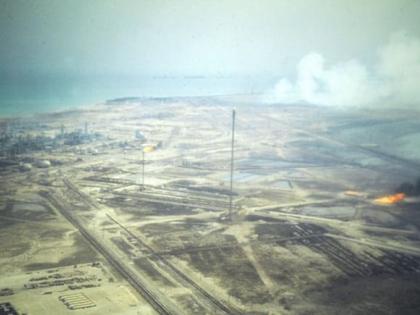
Saudi Aramco’s Ras Tanura refinery, the kingdom’s largest domestic refinery and a cornerstone of its energy sector, was struck again by a drone on Wednesday, a Saudi Defence Ministry spokesperson said. Preliminary assessments indicate that the attack caused no damage. Earlier this week, on Monday, the same facility was targeted by Iranian Shahed suicide drones, forcing Aramco to temporarily shut down the refinery amid fears of broader disruption to the region’s energy infrastructure. Following that strike, the company also suspended exports of liquefied petroleum gas (LPG) — including propane and butane — for several weeks, though local Saudi fuel supplies remained unaffected.
Saudi Arabia, the world’s largest oil exporter, has most of its oil fields and petroleum infrastructure along its eastern coast, across the Gulf from Iran. Since the start of joint US–Israel strikes on Iran, Tehran has launched missiles and drones at countries it views as supporting U.S. military operations, including attacks on commercial tankers in the Strait of Hormuz, through which nearly a fifth of the world’s oil and liquefied natural gas passes.
The escalating conflict in the Middle East has sent global oil prices higher. On Wednesday, Brent crude rose $1.11, or 1.4%, to $82.53 per barrel, equivalent to approximately ₹7,580 per barrel (at an exchange rate of ₹92 per US dollar). Prices had already closed at their highest since January 2025 on Tuesday, reflecting growing concerns over supply disruptions.
Open in app
