
Clean Eating in 2026: Less Rules, More Awareness
By PNN | Updated: April 18, 2026 19:30 IST2026-04-19T00:56:07+5:302026-04-18T19:30:24+5:30



New Delhi [India], April 18: People only order junk as something utterly tasty, healthy, awesome, refreshing. But they forget ...
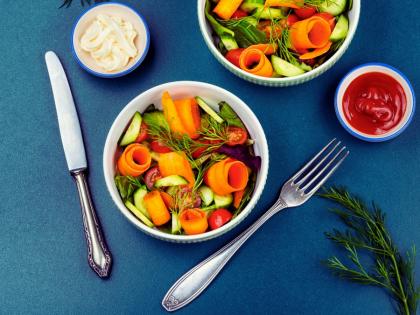
Clean Eating in 2026: Less Rules, More Awareness
New Delhi [India], April 18: People only order junk as something utterly tasty, healthy, awesome, refreshing. But they forget the consequences it has on their body. Earlier, diets felt like systems you had to obey. Fixed lists. Clear instructions. What to remove, what to measure, what to follow without asking why.
That structure is collapsing now.
What's replacing it isn't another system. It's attention.
People aren't asking, “Is this allowed?” They're asking, “What does this do?” That shift sounds small, but it changes everything about how food is approached.
Clean eating in 2026 doesn't look strict. It looks deliberate.
What Clean Eating Has Become
The phrase used to mean something rigid—organic labels, ingredient lists, elimination of entire categories.
Now it's more practical.
Less processed food, yes. But not as a rule. As a preference that develops over time. People are reading labels, but not obsessively. Cooking more, but not treating it like discipline.
The focus has moved from what to remove to what to keep consistent.
That distinction matters.
What People Are Actually Eating
The pattern is clear if you look at daily meals rather than ideal ones.
| Category | What's Showing Up |
|---|---|
| Breakfast | Eggs, oats, fruit, yogurt, simple proteins |
| Lunch | Rice or roti with vegetables, lentils, lean protein |
| Snacks | Nuts, fruit, protein-based options |
| Dinner | Lighter meals, fewer heavy carbs, more vegetables |
Nothing here is extreme. That's the point.
There's less interest in “perfect meals” and more in meals that don't disrupt the rest of the day. Food that supports energy instead of competing with it.
Why This Shift Happened
Strict diets don't hold.
They work briefly, then break. Not because people lack discipline, but because life doesn't stay controlled long enough to maintain them.
Clean eating now adjusts to that reality.
People are working longer hours, moving less, dealing with constant mental load. Food has to fit into that, not fight it.
So the approach simplifies:
- Eat food that feels stable
- Avoid what consistently causes fatigue
- Keep patterns repeatable
That's it.
The Role of Awareness
This is where the change is most visible.
People are noticing:
- how certain meals affect energy after two hours
- how sleep changes with late or heavy eating
- how digestion responds to processed vs simple food
This isn't tracked in detail. It's observed.
Over time, those observations turn into habits.
Not because someone said so, but because the body responds clearly enough.
What Clean Eating Is Not Anymore
It's not:
- eliminating entire food groups
- following influencer-driven diet plans
- chasing short-term weight changes
Those ideas still exist, but they're losing relevance.
The current approach is quieter. Less visible, but more consistent.
Where It's Heading
Clean eating is moving toward something more stable.
Not trends. Not cycles.
Just a way of eating that:
- fits daily life
- doesn't require constant adjustment
- supports energy without effort
There's no final version of it. It keeps adapting.
Final Thought
Clean eating used to be defined by rules.
Now it's defined by recognition.
People know what works for them. They repeat it.
And that repetition, more than any plan, is what's shaping how people eat in 2026.
Lifestyle
Disclaimer: This post has been auto-published from an agency feed without any modifications to the text and has not been reviewed by an editor
Open in app