
FSSAI Cracks Down on Ashwagandha Leaves, Bans Their Use in Nutraceuticals and Food Products
By Lokmat Times Desk | Updated: April 22, 2026 12:39 IST2026-04-22T12:38:53+5:302026-04-22T12:39:26+5:30



From traditional Ayurvedic practices to endorsements by global figures such as Prime Minister Narendra Modi, Ashwagandha has long been ...
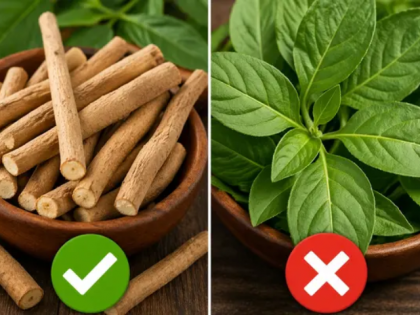
FSSAI Cracks Down on Ashwagandha Leaves, Bans Their Use in Nutraceuticals and Food Products
From traditional Ayurvedic practices to endorsements by global figures such as Prime Minister Narendra Modi, Ashwagandha has long been recognised for its therapeutic benefits. Widely regarded as a natural tonic, the herb is believed to enhance vitality, improve longevity, and maintain balance between the body and mind. Over the years, it has been increasingly incorporated into food items and dietary supplements due to its reputed health-boosting properties. However, this growing popularity faced a sudden regulatory shift when, on April 16, the Food Safety and Standards Authority of India (FSSAI) issued an advisory restricting the use of ashwagandha leaves in food products and supplements, prompting questions about the reasoning behind the move.
As per details available on the official FSSAI website, the advisory clearly emphasises that ashwagandha leaves, in any form—whether raw, processed, or as extracts—are not permitted for use in food products. The authority referred to the Food Safety and Standards (Health Supplements, Nutraceuticals, Food for Special Dietary Use, Food for Special Medical Purpose, Functional Food and Novel Food) Regulations, 2016. Under Schedule IV of these rules, only specific botanicals are approved for use in such products. In the case of Ashwagandha (Withania somnifera), only its roots and their extracts are allowed within prescribed limits. The advisory was issued after authorities observed that some manufacturers were using leaves and leaf extracts in violation of these regulations.
The regulator further clarified that the inclusion of ashwagandha leaves in any formulation does not comply with existing legal provisions and is therefore prohibited. All Food Business Operators (FBOs) have been directed to strictly adhere to the established guidelines while manufacturing or marketing such products. The FSSAI has warned that any non-compliance or deviation from the prescribed standards will invite action under the Food Safety and Standards Act, 2006, along with relevant regulations. This directive aims to ensure consumer safety and maintain uniformity in the use of approved botanical ingredients in health supplements, nutraceuticals, and specialised food categories across the country.
Also Read: Drinking Black Coffee at Night? Here’s How It Affects Your Sleep and Health
In Ayurveda, Ashwagandha, also known as Indian ginseng or Indian winter cherry, holds a significant place as a powerful medicinal herb. Its botanical name, Withania somnifera, reflects its traditional use in promoting relaxation and improving sleep. The name “Ashwagandha” originates from Sanskrit, where “ashwa” means horse and “gandha” refers to smell, indicating that the root has a distinct odour and is believed to impart strength and vitality comparable to that of a horse. Historically, it has been classified as a “rasayana,” a category of herbs known for rejuvenating properties, particularly in strengthening the nervous system and enhancing the body’s ability to cope with stress.
Scientific studies have also explored the medicinal potential of ashwagandha, including its leaves. Research indicates that water extracts derived from the leaves, known as ASH-WEX, contain compounds such as Withaferin D, which may exhibit selective toxicity against cancer cells. These compounds are believed to activate tumour-suppressing proteins like pRB and reduce the activity of enzymes linked to cancer spread, such as MMP-3 and MMP-9. Additionally, reports published in scientific databases suggest that ashwagandha possesses neuroprotective, sedative, and adaptogenic properties. It is also associated with anti-inflammatory, antimicrobial, cardioprotective, and anti-diabetic effects, highlighting its broad therapeutic potential despite regulatory restrictions on certain parts of the plant.
Open in app