
Lohri 2026: Know the Significance, Rituals, and Why January 13 Is Celebrated as the Festival of Harvest and Bonfires
By Lokmat Times Desk | Updated: January 12, 2026 18:30 IST2026-01-12T18:30:36+5:302026-01-12T18:30:36+5:30


Lohri is among the most widely celebrated Hindu festivals and is observed with immense joy, warmth, and community spirit. ...
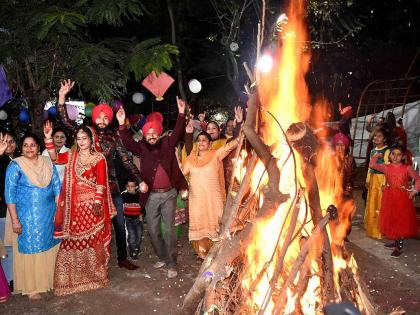
Lohri 2026: Know the Significance, Rituals, and Why January 13 Is Celebrated as the Festival of Harvest and Bonfires
Lohri is among the most widely celebrated Hindu festivals and is observed with immense joy, warmth, and community spirit. As the festival approaches, people across North India prepare with great enthusiasm to mark the occasion. Lohri is celebrated with particular grandeur in Punjab and Haryana, where it reflects deep-rooted cultural traditions. The festival signifies the end of winter and the arrival of spring, bringing hope and renewal. It is closely linked to the harvest of the Rabi crop and holds special importance for farmers. Lohri is also celebrated enthusiastically in parts of Himachal Pradesh and Jammu and Kashmir. In 2026, Lohri will be celebrated on January 13.
Also Read: 'No Commercial Use, Tapovan Will Stay Open': CM Devendra Fadnavis
When Is Lohri 2026?
Lohri 2026 will be celebrated on Tuesday, January 13. As per Drik Panchang, the main festivities take place in the evening, which is considered the most auspicious time for celebrations. Families and communities gather around bonfires, sing traditional folk songs, and perform vibrant dances such as bhangra and gidda. Offerings like sesame seeds, peanuts, jaggery, and popcorn are thrown into the fire as a mark of gratitude. The Lohri Sankranti moment is scheduled at 3:13 pm on January 14, 2026, marking the solar transition, though Lohri night remains the highlight.
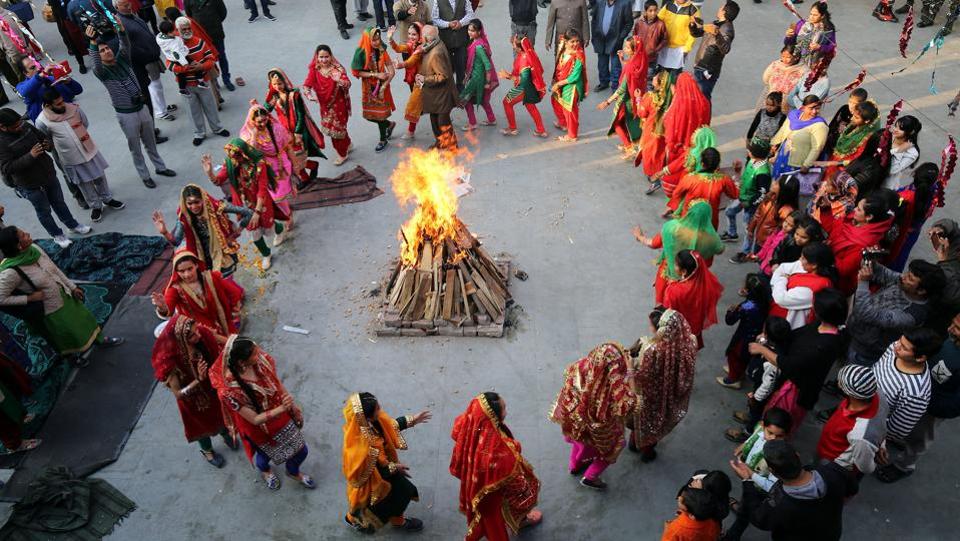
Significance of Lohri 2026
Lohri 2026 holds immense religious, cultural, and agricultural significance. Celebrated a day before Makar Sankranti, the festival marks the Sun’s transition into Capricorn, symbolising prosperity and positive change. It is a thanksgiving festival dedicated to nature for a bountiful harvest and agricultural abundance. Devotees visit Gurudwaras to offer prayers and perform Ardas, seeking peace and well-being. Lohri is also associated with honouring the martyrdom of the Chali Mukte, whose sacrifice is remembered during this time. The festival promotes unity, generosity, and togetherness within communities.
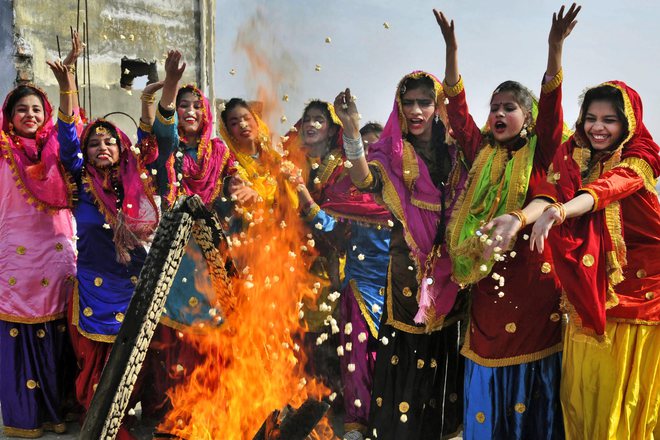
The Story Behind Lohri Festival
The legend of Lohri is deeply rooted in Punjabi folklore and history. According to popular belief, Dulla Bhatti was a brave and compassionate dacoit who lived during the reign of Mughal emperor Akbar. He was revered as a hero for standing up against injustice and rescuing young girls from being sold into slavery. Dulla Bhatti helped arrange their marriages with dignity, especially those of Sundri and Mundri. His courageous deeds earned him lasting respect among the people. Even today, Lohri folk songs narrate his stories, keeping his legacy alive across generations.
