
Clueless, shameless, reckless: KC Venugopal slams PM Modi over energy security amid Iran-US conflict
By ANI | Updated: May 10, 2026 23:10 IST2026-05-11T04:39:41+5:302026-05-10T23:10:03+5:30



New Delhi [India], May 10 : Congress General Secretary KC Venugopal on Sunday launched a sharp attack on Prime ...
Clueless, shameless, reckless: KC Venugopal slams PM Modi over energy security amid Iran-US conflict
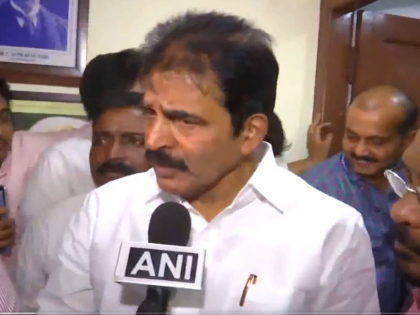
New Delhi [India], May 10 : Congress General Secretary KC Venugopal on Sunday launched a sharp attack on Prime Minister Narendra Modi, accusing the government of "gross mismanagement" regarding India's energy security three months into the escalating Iran-US war.
In a post on X, Venugopal claimed that the Prime Minister's focus on "petty politics" has left the Indian economy vulnerable to an impending catastrophe as global oil supplies remain volatile.
Venugopal highlighted what he termed a "reckless" lack of planning by the Prime Minister's Office, citing several points of concern, accusing the PM of failing to build adequate fuel reserves to buffer the economy against the three-month-old global crisis.
He also claimed that the government is more focused on "petty politics" and electoral gains than on the immediate economic hardships of the common citizen and warned that the lack of foresight is pushing India toward a "downright immoral" economic collapse.
Sharing a post on X, Venugopal wrote, "3 months into the Iran-US war and PM Modi is still clueless about ensuring India's energy security. It is shameless, reckless and downright immoral that the PM is pushing the common citizen into inconvenience, instead of building contingencies to ensure our economy is unaffected by this global crisis."
https://x.com/kcvenugopalmp/status/2053505632377147793
He further accused the Prime Minister of prioritising electoral considerations over governance, stating, "When elections and petty politics are the sole priority of the PM, the end result is an impending economic catastrophe."
Venugopal also urged the Centre to take immediate corrective measures to safeguard citizens from potential disruptions. "The PM and his government must make all necessary arrangements to ensure we have ample fuel reserves and no citizen faces any hardship as a result of their lack of planning," he added.
The Congress leader's remarks come amid reports that Tehran has formulated a "14-point plan" intended to counter the US-supported "nine-point peace plan".
According to media reports, the Iranian proposal outlines a three-stage roadmap, which includes a 30-day phase designed to transition a temporary ceasefire into a permanent end to hostilities. As part of the negotiations, Tehran has reportedly sought sanctions relief, the removal of restrictions on Iranian ports, the withdrawal of US troops from the region, and a halt to Israeli military operations in Lebanon.
Meanwhile, Prime Minister Narendra Modi on Sunday in Hyderabad redefined the modern meaning of patriotism and called on every Indian citizen to join a collective movement for economic resilience.
Speaking against a backdrop of global supply chain disruptions and rising costs fueled by international conflicts, the Prime Minister framed the current crisis not just as a government challenge, but as a test of national character.
"Patriotism is not only about the willingness to sacrifice one's life on the border," the Prime Minister remarked. "In these times, it is about living responsibly and fulfilling our duties to the nation in our daily lives.
"The Prime Minister's speech served as a tactical manual for 'economic self-defence,' urging citizens to change their consumption habits to protect the nation's financial health.
To combat the volatility of fuel prices, PM Modi urged a shift in how India moves. He urged citizens to reduce petrol and diesel consumption by using the metro and public transport wherever available, opting for car-pooling when private vehicles are necessary, preferring railway transport for the movement of goods, and increasing the use of electric vehicles wherever possible.
Disclaimer: This post has been auto-published from an agency feed without any modifications to the text and has not been reviewed by an editor
Open in app