
Gujarat ranks fourth nationally in this year's 'Poshan Pakhwada' with over 73 lakh activities conducted
By IANS | Updated: May 5, 2026 15:30 IST2026-05-05T15:28:17+5:302026-05-05T15:30:12+5:30



Gandhinagar, May 5 Gujarat has secured fourth place in the country in the eighth edition of 'Poshan Pakhwada', ...
Gujarat ranks fourth nationally in this year's 'Poshan Pakhwada' with over 73 lakh activities conducted
Gandhinagar, May 5 Gujarat has secured fourth place in the country in the eighth edition of 'Poshan Pakhwada', contributing more than 10 per cent of the total activities undertaken nationwide during the campaign held from April 9 to 23.
According to official data, 73.14 lakh nutrition-related activities were carried out across the state during the fortnight-long initiative.
At the national level, Gujarat’s share stood at 10.77 per cent of total reported activities, placing it among the top-performing states in the implementation of the 'National Nutrition Mission'.
The campaign was implemented under the guidance of Chief Minister Bhupendra Patel and overseen by Women and Child Development Minister, Dr. Manisha Vakil.
The Women and Child Development Department alone accounted for 33.91 lakh activities, representing 46.36 per cent of the state’s total output.
Alongside this, more than 18 departments, including Health, Education and Panchayat, participated in coordinated efforts to expand outreach at various administrative levels.
The 2026 edition of Poshan Pakhwada focussed on the theme of “maximising brain development in the first six years of life”.
The initiative was based on the premise that nearly 85 per cent of a child’s brain development occurs by the age of six, and therefore emphasised early childhood care with a stronger focus on cognitive growth alongside nutrition.
Five core pillars structured the campaign. These included improving nutrition for pregnant women, strengthening breastfeeding practices and ensuring appropriate complementary feeding for infants.
The programme also promoted early cognitive development through communication, play and emotional bonding between caregivers and children.
Another focus area was preparing children for formal schooling through play-based learning in Anganwadis.
In addition, the campaign addressed concerns over increasing screen time among children by encouraging reduced usage and promoting active daily routines.
The final component involved improving anganwadi infrastructure and services through public participation and corporate social responsibility initiatives.
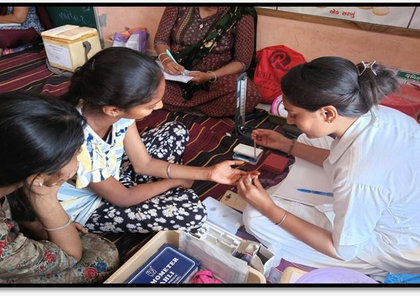
At the grassroots level, all gram panchayats in the state organised nutrition panchayats, quizzes, poster competitions and community awareness programmes to disseminate information on nutrition and early childhood care.
Officials stated that the scale and coordination of activities reflected multi-departmental participation and community engagement in advancing the objectives of the national nutrition programme.
Disclaimer: This post has been auto-published from an agency feed without any modifications to the text and has not been reviewed by an editor
Open in app