
Pakistan in dire straits as lenders ask for loan repayments
By IANS | Updated: April 15, 2026 16:55 IST2026-04-15T16:52:34+5:302026-04-15T16:55:16+5:30



New Delhi, April 15 Debt-ridden Pakistan is under pressure to repay its huge loans taken from the Gulf ...
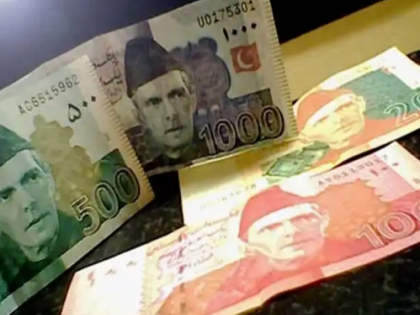
Pakistan in dire straits as lenders ask for loan repayments
New Delhi, April 15 Debt-ridden Pakistan is under pressure to repay its huge loans taken from the Gulf countries, who are losing patience over the inordinate delay, with the UAE refusing to rollover the $3 billion payment that is now overdue.
Pakistan’s economy has lurched from one IMF programme to the next for decades, each tranche accompanied by promises of reform that evaporate once the cheque clears. Friendly Gulf monarchies and Beijing have repeatedly stepped in as lenders of first resort -- deposits, rollovers, deferred oil payments, CPEC financing. China alone holds more than $25 billion in exposure.
Yet these "brotherly" lifelines have never translated into self-sufficiency. They have merely papered over the same structural wounds: a parasitic public sector, an anaemic tax base, chronic energy circular debt, and a political class that treats the state as a patronage machine rather than an engine of growth, according to an article published in Khalsa Vox news portal.
Now even the old safety net is fraying. The UAE’s decision to demand repayment -- after years of accommodating Pakistan -- signals a subtle but unmistakable shift in Gulf patience. Abu Dhabi is no longer content to subsidise a neighbour whose strategic value appears increasingly marginal. Meanwhile, Pakistan is desperately trying to raise fresh loans from China and Saudi Arabia, the article stated.
It also highlights that amid the rising levels of poverty and inflation, the Pakistani government is not taking any steps to introduce economic reforms to revive growth.
The situation has only turned worse with soaring oil and gas prices triggered by the Iran war, leading to an increase in the country’s import bill and adding to the inflationary spiral.
Pakistan is also failing to meet the conditions set by the IMF even as Islamabad is desperately seeking more funds from the multilateral institution. The IMF has asked Pakistan to remove the subsidy on diesel, as keeping prices of fuels below the market price violates the conditions that have been fixed for its loans to the cash-strapped country. However, Islamabad has, in brazen defiance of the norms, gone ahead and cut the tax on petrol as well.
This raises serious questions about the feasibility of meeting key IMF programme benchmarks such as the primary surplus. The lender’s insistence on removing distortions is therefore grounded in sound economic logic. Islamabad’s predicament is largely self-inflicted. Years of delayed tax reforms and a reluctance to decisively curb wasteful public expenditure have left the state with limited fiscal space to respond to external shocks. The current oil price surge, exacerbated by disruptions in global supply routes, has merely exposed these underlying vulnerabilities, the article pointed out.
Disclaimer: This post has been auto-published from an agency feed without any modifications to the text and has not been reviewed by an editor
Open in app