
Plea in SC seeks overhaul of NTA after cancellation of NEET-UG 2026
By IANS | Updated: May 16, 2026 14:45 IST2026-05-16T14:42:40+5:302026-05-16T14:45:08+5:30



New Delhi, May 16 A writ petition has been filed before the Supreme Court challenging the “systemic failure” ...
Plea in SC seeks overhaul of NTA after cancellation of NEET-UG 2026
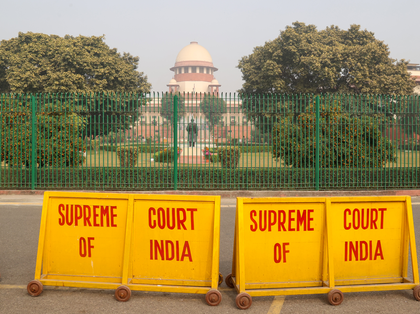
New Delhi, May 16 A writ petition has been filed before the Supreme Court challenging the “systemic failure” of the National Testing Agency (NTA) in conducting the NEET-UG 2026 examination and seeking its restructuring through a statutory framework enacted by Parliament.
The plea, filed under Article 32 of the Constitution, has sought dissolution of the NTA in its present form as a society registered under the Societies Registration Act, 1860, and urged the creation of a statutory national testing body directly accountable to Parliament.
The petition contended that the repeated compromise of the National Eligibility cum Entrance Test (NEET-UG), the sole gateway for undergraduate medical admissions in the country, amounted to a violation of the fundamental rights guaranteed under Articles 14 and 21 of the Constitution.
Referring to the NEET-UG 2026 examination conducted on May 3, the plea alleged that despite claims of AI-assisted CCTV surveillance, GPS tracking and biometric verification, the examination process was compromised by an organised “guess paper” racket.
“The recurring compromise of this examination is a direct assault on the fundamental guarantees of equality and right to life/livelihood,” the petition stated.
According to the plea, investigations initiated by the Rajasthan Police’s Special Operations Group (SOG) revealed that a handwritten “guess paper” containing around 410 questions had been circulated through WhatsApp and Telegram groups nearly 42 hours before the examination.
The petition referred to media reports claiming that forensic analysis found a complete match of 90 Biology questions and 45 Chemistry questions with the actual NEET-UG 2026 paper.
It further alleged that the leaked material was sold to candidates for amounts ranging from Rs 2 lakh to Rs 25 lakh.
“The subsequent registration of a CBI FIR and the total cancellation of the exam on May 12, 2026, serve as a formal admission by the Respondents that the paper’s sanctity was breached,” the plea said.
The petition added that the alleged racket was traced to a multi-state network extending from Maharashtra and Haryana to Kerala, demonstrating that the NTA’s “localised security protocols were wholly bypassed by an organised national syndicate”.
Claiming that the NTA’s present legal status as an autonomous society creates an “accountability vacuum”, the plea said that unlike constitutional or statutory bodies such as the UPSC and SSC, the NTA is not directly answerable to Parliament.
“It operates under the Ministry of Education, shielding it from direct CAG audits and mandatory parliamentary committee probes,” the petition stated.
The plea further alleged that repeated leaks and examination glitches compromised the right to equality by destroying merit-based selection and infringing upon students’ rights to dignity and livelihood.
“The State’s ‘Zero-Tolerance’ policy remains a paper promise, while the actual burden of administrative failure is shifted onto the candidates through the trauma of indefinite re-testing,” it said.
The petition also referred to the Supreme Court’s observations in Vanshika Yadav vs. Union of India (2024), where the apex court had cautioned the NTA against “flip-flops” and administrative lapses.
According to the plea, despite enactment of the Public Examinations (Prevention of Unfair Means) Act, 2024, and recommendations of the K. Radhakrishnan Committee, the alleged leak demonstrated that the safeguards introduced after 2024 were merely “cosmetic”.
The petition argued that the NTA failed to implement crucial recommendations of the committee, including transition to a computer-based or hybrid testing model, digital locking of question papers and reduction in dependence on private service providers.
Seeking urgent directions, the plea prayed for constitution of a court-monitored committee to oversee the transition of upcoming national examinations and ensure “zero-leak” integrity.
It also sought directions to the Centre to enact legislation creating a statutory national testing authority with mandatory CAG audits, parliamentary oversight and legally enforceable safeguards against paper leaks.
Meanwhile, Union Education Minister, Dharmendra Pradhan, on Friday announced that NEET examinations would shift to a computer-based model from next year. Addressing a press conference in the national Capital, Pradhan said there was an urgent need to move examinations online in the backdrop of recurring paper leak controversies and cancellation of NEET-UG 2026.
Calling it a “long and sustained fight” against the “education mafia”, the Education Minister said the recommendations of the Radhakrishnan Committee had been implemented, though “a breakdown had happened somewhere in the chain of command”.
He assured students that the entire government machinery would work to ensure that no malpractices occur during the re-examination process.
Pradhan also informed that the NTA would conduct the NEET re-examination on June 21 and candidates would receive admit cards by June 14.
He said aspirants would be allowed to choose their preferred examination city and would be given a one-week window for the same.
The Minister further announced that students would get an additional 15 minutes to fill details in the OMR sheet and clarified that examination fees paid earlier would be refunded while no additional fees would be charged for the re-test.
Disclaimer: This post has been auto-published from an agency feed without any modifications to the text and has not been reviewed by an editor
Open in app