
Pollution a serious concern in Mumbai: Ajit Pawar ahead of BMC polls
By IANS | Updated: January 12, 2026 14:40 IST2026-01-12T14:37:37+5:302026-01-12T14:40:13+5:30



Mumbai, Jan 12 Ahead of the forthcoming Brihanmumbai Municipal Corporation (BMC) elections scheduled for January 15, this year, ...
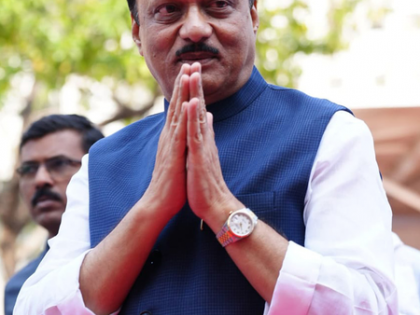
Pollution a serious concern in Mumbai: Ajit Pawar ahead of BMC polls
Mumbai, Jan 12 Ahead of the forthcoming Brihanmumbai Municipal Corporation (BMC) elections scheduled for January 15, this year, Nationalist Congress Party (NCP) leader and Maharashtra Deputy Chief Minister Ajit Pawar on Monday said that his party’s sole focus is development. He further added that their aim is not just to make promises, but to ensure implementation on the ground. He pointed out that pollution has emerged as a serious concern in metropolitan cities like Mumbai and that must be fixed.
Speaking exclusively to IANS, Pawar outlined the key priorities mentioned in the NCP’s manifesto and addressed questions related to governance, alliances, and civic challenges in urban Maharashtra.
“The most important new aspect of this year’s manifesto is our clear and focussed commitment to improving the quality of life in cities. People should get clean and sufficient drinking water, cleanliness should be maintained on a daily basis, roads should be in good condition, and traffic should be managed efficiently. Medical facilities must be accessible and of good quality for all citizens,” Pawar told IANS.
He added that pollution has emerged as a serious concern in metropolitan cities like Mumbai and has a direct impact on public health.
“We are also paying special attention to pollution, which has become a major issue. Due to rising pollution levels, people are falling ill and facing several health problems. These concerns have been clearly reflected in our manifesto. Our aim is not just to make promises, but to ensure effective implementation on the ground,” he added.
Responding to criticism that such civic facilities could have been provided earlier, given his long tenure in public life, Pawar defended his record by citing his work in Pimpri-Chinchwad.
“I have served in the Pimpri-Chinchwad Municipal Corporation for nearly 25 years. Anyone can verify the work done during that period. One should look at the development carried out there and how Pimpri-Chinchwad received recognition as one of the best-managed cities,” he said.
“At one point, Pimpri was known as the richest municipal corporation in Asia. However, the situation today is very different. Bills worth nearly Rs 4,000 crore are pending, and municipal bonds have been issued, which usually happens when there is a shortage of funds,” Pawar said.
He pointed out that such financial constraints make it difficult to manage civic services efficiently.
“People are not getting adequate water supply, roads are in poor condition, and there are gaps in service delivery. These issues need urgent attention,” he said.
Pawar further stressed that development should be inclusive and fair.
“Employment opportunities must be provided on the basis of merit and qualifications. Development cannot be selective. It has to be inclusive, transparent, and sustainable,” he added.
On not forming an alliance with the BJP and Shiv Sena in Pune and Pimpri-Chinchwad, despite being part of the ruling coalition at the state level, Pawar said local body elections function differently.
“Many people may not be aware, but local body elections are different from Assembly or Lok Sabha elections. From 1999 to 2014, we contested local body polls separately. This is not something new,” he said.
“Every political party has its own cadre and grassroots workers, and everyone wants opportunities for their workers. That is why, in municipal elections, parties often contest independently,” he explained.
Addressing questions about aligning with the Shiv Sena faction led by Eknath Shinde in Ambernath, Pawar said such arrangements are common in local elections across Maharashtra.
“If you look across the state, you will find many such examples. In 29 municipal corporations, alliances differ from place to place. In some areas, Shiv Sena and BJP are together, while in others, the two NCP factions are together,” he said.
“This is quite common in local body elections. With only a few days left for polling, I want people to focus on real issues such as water supply, cleanliness, quality of work, and overall development,” Pawar added.
Dismissing concerns that varying alliances may confuse voters, Pawar said citizens clearly understand the difference between local and higher-level elections.
“This does not create confusion. Parliamentary and Assembly elections are different. People are mature enough to understand these differences. Ultimately, voters decide based on who can deliver development and serve their area better,” he said.
Disclaimer: This post has been auto-published from an agency feed without any modifications to the text and has not been reviewed by an editor
Open in app