
S. Korea posts largest-ever current account surplus in Feb on chip upcycle
By IANS | Updated: April 8, 2026 09:15 IST2026-04-08T09:10:24+5:302026-04-08T09:15:27+5:30



Seoul, April 8 South Korea recorded its largest-ever monthly current account surplus in February, driven by a semiconductor ...
S. Korea posts largest-ever current account surplus in Feb on chip upcycle
Seoul, April 8 South Korea recorded its largest-ever monthly current account surplus in February, driven by a semiconductor upcycle and strong exports, central bank data showed on Wednesday.
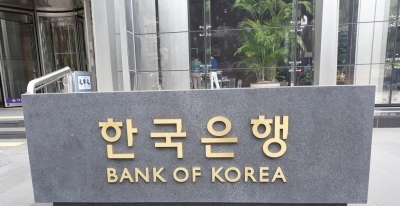
The current account surplus totalled $23.19 billion in February, up sharply from $13.26 billion in January, according to the data from the Bank of Korea (BOK), reports Yonhap news agency.
It marked the highest monthly surplus ever, surpassing the previous record of $18.7 billion set in December 2025.
South Korea has reported a current account surplus every month since May 2023, extending its winning streak to 34 consecutive months, the second longest in history.
"It was the first time that the monthly current account surplus exceeded $20 billion. Despite fewer working days in February, the goods account surplus expanded to a record high thanks to record-breaking semiconductor exports," Yoo Sung-wook, head of the BOK's financial statistics department, said.
The goods account posted a surplus of $23.36 billion in February, a record high figure, as exports jumped 29.9 percent on-year to $70.37 billion, while imports added 4 percent to about $47 billion.
Chip exports soared 157.9 percent from a year earlier, while shipments of IT products and computer peripherals increased by 103.3 percent and 183.6 percent, respectively.
The BOK noted that average daily semiconductor exports in February stood at $1.33 billion, exceeding the daily average of $480 million recorded during the previous semiconductor supercycle years of 2018 and 2022.
The services account recorded a deficit of $1.86 billion in February due mainly to an increase in overseas travel demand.
The primary income account, which includes wages of foreign workers, as well as dividend and interest income from abroad, posted a surplus of $2.48 billion, driven primarily by dividend earnings.
The secondary income account recorded a $790 million deficit.
In the financial account, the country's net assets increased by $22.8 billion in February, up sharply from a $5.63 billion rise the previous month.
Overseas direct investment by South Korean residents rose by $3.81 billion, while foreign direct investment in South Korea increased $940 million.
In securities investment, local investors increased their overseas holdings, mainly in stocks, by $8.64 billion in February, while foreign investors reduced their investments by $11.94 billion to take profits from recent gains, the data showed.
As for the impact of the war in the Middle East, Yoo said rising global oil prices could begin to affect imports starting April.
Disclaimer: This post has been auto-published from an agency feed without any modifications to the text and has not been reviewed by an editor
Open in app