
How Pakistan govt is letting down its people
By IANS | Updated: December 28, 2025 15:55 IST2025-12-28T15:50:47+5:302025-12-28T15:55:08+5:30



New Delhi, Dec 28 The Pakistan government has been repeatedly betraying public trust with its myopic and ad ...
How Pakistan govt is letting down its people
New Delhi, Dec 28 The Pakistan government has been repeatedly betraying public trust with its myopic and ad hoc approach in policy formulation, laments an article in the country’s 'Friday Times' newspaper.
This chronic pattern of policy formulation in panic is highlighted by the confusion in Pakistan’s CNG and solar policies, which have left consumers in the lurch and investors losing massive amounts of money, the article states.
Besides, it states: “The policy on sugar and wheat so frequently looks like a joke, where vested interests are favoured at the expense of consumers. The fact is that our overall public policy-making desperately needs to become more pro-people and intelligent, truly incorporating social and environmental risks and collateral losses.”
In 1992, the government adopted a policy whereby it decided to promote the use of CNG in road transport vehicles. The policy was shaped by several challenges, including a shortage of foreign exchange, as ever, with the oil import bill consuming as much as ~25 per cent of earnings from exports, and the Persian Gulf crisis of 1990-91, which caused disruptions in oil supplies and a steep rise in international oil prices, the article states.
The new policy sought to ensure that the adoption of CNG would substitute costly oil imports with local gas reserves, thereby saving critical foreign exchange. The government introduced all kinds of tax subsidies and duty waivers for CNG plants, equipment and CNG conversion kits for vehicles; plus, the price of CNG for vehicles was kept 40-60 per cent lower than petrol. The adoption of CNG in the transport sector was massive, as people invested billions of rupees to switch their vehicles to CNG. So much so that by 2004, Pakistan topped the world in natural gas-run vehicles.
“Then, around 2010, our policymakers woke up to the harsh reality that the country’s natural gas reserves were depleting alarmingly fast due to CNG use. Leaving aside the ideals of ‘green fuel’ and ‘fuel sovereignty’ so eagerly pursued in 1992, the government decided to prioritise the use of natural gas for industrial and residential consumers. With taxes and duty waivers retracted and prices hiked, CNG for vehicles became expensive. Consequently, hundreds of thousands of people with CNG plants and vehicles lost billions of rupees of their investments,” the article states.
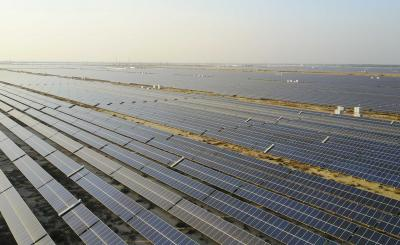
Almost similar is the story of government policy on the adoption of solar energy. The real policy thrust for solarisation came in 2015, when the country was going through the worst electricity shortages and a chronic foreign exchange shortfall to run power plants on fossil fuels. Taxes and duties were aggressively reduced on solar power equipment. Besides, the government also offered to buy back electricity from solar users at ~27 rupees per unit. In 2022, the government further reduced the GST on solar panels by 17 per cent.
Long tormented by high electricity prices from the national grid and frequent power outages, hundreds of thousands of households, small industrial units and traders rapidly adopted solar power. This adoption of solar power was so huge and so fast that by 2024, Pakistan became the top importer of solar panels in the world, bringing in around ~17 gigawatts of new capacity.
This scale of solar adoption was perhaps not imagined by the policymakers. The thoughtless solar policy suddenly became detrimental to state-owned power generation. The independent power plants that the government had encouraged over the last decade, on ‘take-or-pay’ contracts, whether plants were running or idle, accrued as much as ~2 trillion rupees in annual capacity charges. Power distribution companies also reported losses worth billions of rupees.
Consequently, the government is now not only reducing the solar electricity buy-back price from ~26 rupees to ~10 per unit, but also removing the one-for-one unit offsetting formula between solar and grid electricity. There are other disincentives too, such as licensing requirements and reduced electricity buy-back contract durations, being introduced in the name of rationalising a policy that reeked of myopia to begin with, the article added.
Disclaimer: This post has been auto-published from an agency feed without any modifications to the text and has not been reviewed by an editor
Open in app