
Industry hails Centre's move to exempt critical petrochemicals from customs duty amid West Asia conflict
By ANI | Updated: April 3, 2026 15:30 IST2026-04-03T20:59:07+5:302026-04-03T15:30:03+5:30



New Delhi [India], April 3 : Industry leaders and experts have welcomed the Centre's decision to grant a full ...
Industry hails Centre's move to exempt critical petrochemicals from customs duty amid West Asia conflict
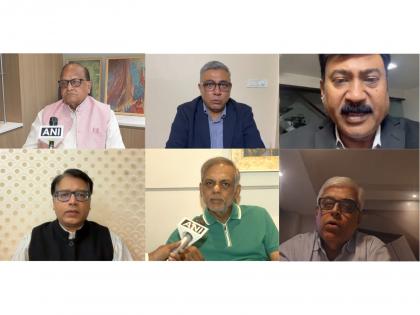
New Delhi [India], April 3 : Industry leaders and experts have welcomed the Centre's decision to grant a full customs duty exemption on critical petrochemical products in response to the ongoing conflict in West Asia.
The move, aimed at stabilising supply chains and reducing cost pressures on downstream sectors, is seen as a strategic intervention to protect domestic manufacturing.
According to experts, the temporary exemption, effective until June 30, 2026, provides essential relief to industries ranging from pharmaceuticals and textiles to automotive components.
The disruption in the Middle East has significantly impacted global logistics and energy prices, prompting the government to take these proactive measures. Sudarshan Jain, Secretary-General of the Indian Pharmaceutical Alliance, noted that the crisis has a deep impact on the supply chain, specifically affecting energy, freight, and delivery timelines.
"We would like to thank the Indian government. They have set up empowered committees and also the Prime Minister himself is deeply involved in managing this crisis. All this will help and mitigate the cost increase which the industry is facing. The overall objective of the industry is that the medicines are available and patients get the medicine that they need for healthcare security and public benefit," Jain said.
Similarly, supporting the move, Viranchi Shah, National President of the Indian Drug Manufacturers Association, said, "This move will support the availability of affordable medicines across India, with the Indian Drug Manufacturers Association welcoming the decision."
Namit Joshi, Chairman of Pharmexil, also added that "this move offers major relief to the pharmaceutical sector by stabilising prices and benefiting manufacturers, solvent suppliers, and consumers. It is a timely and forward-looking step to strengthen supply chains and maintain stability."
The textile sector, which relies heavily on petrochemical-derived synthetic fibers, also faces mounting pressure from rising crude oil and natural gas prices. Siddhartha Rajagopal, Executive Director of the Cotton Textiles Export Promotion Council, described the waiver as a timely and pragmatic step
"The exemption will help stabilise input costs, support the downstream segment in the textile production and maintain supply continuity. Overall, it is a welcome step which is targeted and which protects industry competitiveness while at the same time cushioning the consumers. A well thought-out, timely, targeted and proactive step taken by the government which is welcome and will give great relief to the manufacturing segment, especially the SMEs," Rajagopal noted.
Beyond healthcare and textiles, the automotive and speciality chemical sectors anticipate improved stability through this fiscal relief. "Pre-emptive relief for the auto sector can help stabilise supply chains rather than just cut prices. Since many auto components rely on petrochemical inputs like plastics and polymers, the exemption may reduce disruption risks and contain cost pressures. This could ensure steady availability of spares and consumables even amid global volatility," stated Saharsh Damani, CEO of the Federation of Automobile Dealers Associations.
Amitt Nenwani, Managing Director of Shivtek Spechemi Industries Ltd, characterised the intervention as a vital bridge to navigate current geopolitical volatility.
"By neutralising the immediate cost pressures triggered by Middle East supply disruptions, this move ensures that domestic manufacturing momentum remains unhindered through the next quarter. For the speciality chemicals industry, this provides more than just short-term fiscal relief," Nenwani said.
Lauding the government, Rajiv Sahu, Financial Expert, stated, "We have to also accept that the government can make the sacrifice at the cost of its fiscal management crisis, especially when the government has to balance and they have to sacrifice large amounts of indirect taxes in the process. But the government has thought it is better to sacrifice this rather than burdening the consumers in the current crisis."
Disclaimer: This post has been auto-published from an agency feed without any modifications to the text and has not been reviewed by an editor
Open in app