
Safe to stay away from trading, says Ajay Bagga, as Indian indices brace for sharp drop amid fresh geopolitical tensions
By ANI | Updated: April 13, 2026 09:15 IST2026-04-13T14:42:06+5:302026-04-13T09:15:08+5:30



New Delhi [India], April 13 : Indian equity indices are set for a significant correction at the opening bell ...
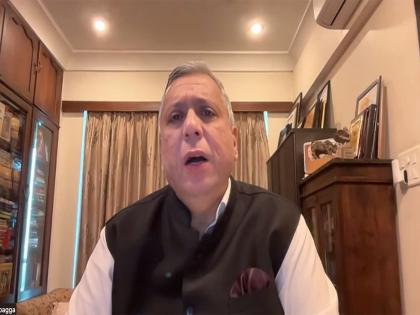
Safe to stay away from trading, says Ajay Bagga, as Indian indices brace for sharp drop amid fresh geopolitical tensions
New Delhi [India], April 13 : Indian equity indices are set for a significant correction at the opening bell following President Trump's announcement of a naval blockade on the Strait of Hormuz. The escalation comes after the collapse of negotiations, pushing market sentiment into a cautious "risk-off" zone as domestic investors weigh the impact of surging energy costs.
Investors are advised to avoid attempting to time the market volatility. "Not the time to trade. Invest, do your discipline monthly investment through the SIP route. Do not try to time this market because I don't think the bottom has formed but nobody knows when the bottom will be formed," said Ajay Bagga, Banking and Market expert, in a conversation with ANI.
He indicated that Indian markets are pointing toward a "1.3 to 1.5% cut at the open", driven by geopolitical friction rather than corporate fundamentals.
"Last Wednesday, there was hope in the markets that something was coming by when the ceasefire and the talks were announced. But that momentum has faded. So we are again getting negative on the Indian markets and against the earnings driving the market, it's geopolitical risk which will drive the markets," Bagga said.
The primary concern for the domestic economy remains the sharp spike in crude oil prices, which have surpassed the USD 100 per barrel mark. For a country heavily reliant on energy imports, the rising cost of Brent and WTI poses a direct threat to the current account deficit and the stability of the rupee.
Bagga noted that last year, India spent approximately USD 150 billion on energy imports, including crude oil, gas, and petrochemicals. At current price levels, that annual bill is projected to climb as high as USD 225 billion to USD 250 billion.
"Even over the weekend, what was happening, if 40 people were asking for oil, only four were getting fulfilled. So what that is pointing out is that there is a shortage, plus you are having to pay anything from USD 120 to USD 140 per barrel. Now that will not stop because of what has happened. That shortage and the increase in prices will not stop. That will lead to inflation globally, including in India, and the slowdown in the economy," Bagga explained.
The disruption also threatens India's trade and remittance ecosystem. Bagga highlighted that nearly 20 per cent of Indian goods exports are facing hurdles as transit through the Red Sea and Gulf of Oman becomes constrained.
The market expert noted that the crisis impacts the one crore Indians living in the Gulf, with about nine lakh people having already returned home as construction and gig economy work dries up. This creates a potential shortfall for states like Kerala that rely heavily on the remittance economy.
"Caution on the Indian markets, caution on the global markets, conserve capital right now, not the time to go bottom picking because you might be catching falling knives and get hurt in the process," Bagga warned.
Disclaimer: This post has been auto-published from an agency feed without any modifications to the text and has not been reviewed by an editor
Open in app