
Hernia Causes, Symptoms, and Prevention Tips You Need to Know
By Lokmat Times Desk | Updated: January 27, 2026 13:12 IST2026-01-27T13:12:07+5:302026-01-27T13:12:38+5:30



Hernia Causes and Symptoms: Hernia is a common and serious disease, many people believe that a hernia only involves ...
Hernia Causes, Symptoms, and Prevention Tips You Need to Know
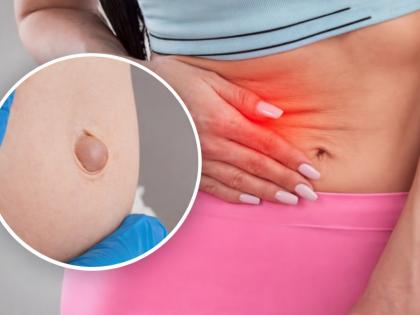
Hernia Causes and Symptoms: Hernia is a common and serious disease, many people believe that a hernia only involves severe pain. But in reality, a hernia can often occur without pain. Many people don't even know what a hernia is. Doctors explain that when the abdominal muscles weaken, the intestines or fatty tissue begin to bulge out through that weak spot, resulting in a hernia.
Initially, this condition is painless, so many patients ignore it, leading to delayed treatment.
Symptoms of a Painless Hernia: A painless hernia develops gradually, and its initial symptoms are very common. The most common symptom is a mild discomfort in the abdomen, navel, or groin area when standing, coughing, sneezing, or lifting heavy objects. Besides this, symptoms such as a feeling of heaviness or tension in the abdomen, discomfort after standing for a long time, gas, constipation, or frequent bloating may also be observed.
Who is at Higher Risk?
Those with weak abdominal muscles are at a higher risk of developing a hernia. Some of the reasons for this include:
- Obesity
- Increasing age
- Frequently lifting heavy objects
- Chronic cough
- Straining during bowel movements due to constipation
- Pregnancy
- Prostate-related problems
- Previous abdominal surgery
Generally, hernias are more common in the groin area in men and near the navel in women.
Also Read: Thailand enhances screening of flights originating from Nipah Virus high-risk region
When does a Hernia become Dangerous?
If a painless hernia suddenly develops severe pain, swelling, vomiting, or fever, this situation can become dangerous. This is called a strangulated hernia. There is a serious risk of the blood supply to the intestines being cut off, and this is a medical emergency.
Why is Timely Treatment Necessary? A hernia does not heal on its own; on the contrary, it gradually worsens. Therefore, ignoring any unusual swelling or persistent complaint can lead to complications. Early diagnosis and timely treatment can prevent risks, and the surgery becomes relatively simpler and safer.
How to prevent a hernia:
- Maintain proper bowel hygiene.
- Avoid obesity and weight gain.
- Consume protein and vitamin C supplements.
- Use comfortable undergarments.
- Avoid activities that put excessive pressure on the abdominal muscles.
- Maintain a balanced weight.
- If you have stomach or indigestion problems, seek treatment promptly.
What precautions should be taken with a hernia?
1) Lift objects correctly. Consult a doctor for advice on proper lifting techniques. Lift weights only as advised by your doctor.
2) Avoid weight gain. Weight gain can worsen your condition. If you are overweight, try to lose weight. Get a proper diet plan from an expert.
3) Constipation can increase your pain, discomfort, and the severity of the condition. Therefore, do not let your digestion become impaired under any circumstances. Increase the amount of fiber in your diet and consume easily digestible foods.
Open in app