
Oatmeal Lowers Bad Cholesterol in Just Two Days, New Study Reveals
By Lokmat Times Desk | Updated: January 29, 2026 10:54 IST2026-01-29T10:54:08+5:302026-01-29T10:54:39+5:30



If your physician has advised that your cholesterol levels need improvement, you are far from alone. Around one in ...
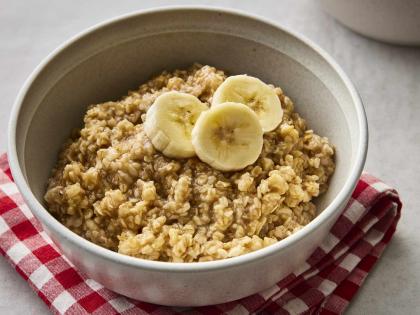
Oatmeal Lowers Bad Cholesterol in Just Two Days, New Study Reveals
If your physician has advised that your cholesterol levels need improvement, you are far from alone. Around one in ten adults has total cholesterol readings that exceed healthy limits, prompting many to explore food-based solutions. Oatmeal has long been praised for heart health, but recent scientific evidence suggests its impact may be stronger than previously believed. A study published in Nature Communications reports that eating oats can lower LDL, or bad, cholesterol within just two days. In people with metabolic syndrome, levels dropped by nearly 10 percent. Remarkably, researchers found that gut bacteria play a key role, producing beneficial compounds as they digest oats, amplifying cholesterol-lowering effects.
To examine this effect, scientists from the University of Bonn in Germany carried out two randomized dietary trials involving 68 adults diagnosed with metabolic syndrome. Participants, aged between 45 and 70, showed conditions such as abdominal obesity, high blood pressure, elevated blood sugar, and unhealthy cholesterol levels. In the first trial, 32 participants followed either a high-dose oat-based diet or a control diet for two days. Those consuming oats ate three meals daily, totaling 300 grams of rolled oats. The comparison group ate similar meals without oats. In the second trial, 34 participants replaced one daily meal with oats for six weeks, while others continued their usual Western diet. Blood and stool samples were analyzed throughout.
The findings were most dramatic in the short-term, high-intake oat group. After only two days, LDL cholesterol dropped by about 10 percent, while total cholesterol decreased by roughly 8 percent compared to the control group. These lower levels often remained below starting values during a six-week follow-up period, even after normal eating habits resumed. Both oat-based diets increased blood levels of ferulic acid, a natural compound in oats. The high-dose diet also raised dihydroferulic acid, created by gut bacteria. Strong links were found between these microbial metabolites and cholesterol reduction, highlighting the gut’s role in heart health.
The longer, moderate oat diet produced less pronounced results. While it boosted certain beneficial metabolites and appeared to prevent cholesterol from worsening, it did not achieve the sharp reductions seen with higher, short-term intake. Researchers believe this difference may be due to variations in gut bacteria and overall eating patterns among individuals. The study does have limitations, including a relatively small participant group and a lack of ethnic diversity, as most participants were Caucasian Germans. Some dietary data was also self-reported, which can affect accuracy. Larger, more diverse studies are needed to confirm these promising findings.
Also Read: Barun Sobti on ‘Kohrra 2’ role: He’s more guarded, constantly negotiating with his own choices
How This Research Fits Into Everyday Life
For people aiming to protect their hearts, these findings highlight oats as a stronger ally than previously understood, especially when eaten in higher quantities. Consuming 300 grams of oats daily, as done in the short-term trial, may not be realistic over long periods. However, the research points to the potential value of occasional oat-heavy days as a practical approach to supporting healthier cholesterol levels. Even moderate, consistent inclusion of oats can contribute positively over time. The key takeaway is not extreme dieting, but using oats strategically within a balanced eating pattern to gain measurable heart-health benefits.
There are several easy ways to include more oats in daily meals. Beginning the day with a warm bowl of oatmeal is a simple and effective option, enhanced with fruits, nuts, or natural sweeteners. Rolled oats can also be blended into smoothies to boost fiber and satiety. Using oat flour in baking, preparing overnight oats for busy mornings, or planning occasional days with multiple oat-based meals can further increase intake. These small, flexible changes can make oats a regular and enjoyable part of a heart-friendly diet.
Open in app