
Potato or Sweet Potato: What Should Diabetics Really Eat to Control Blood Sugar?
By Lokmat Times Desk | Updated: February 23, 2026 10:23 IST2026-02-23T10:23:10+5:302026-02-23T10:23:10+5:30



Diabetes has become increasingly common in India, with millions either diagnosed or struggling to keep their blood sugar within ...
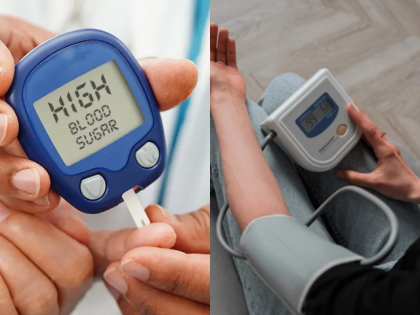
Potato or Sweet Potato: What Should Diabetics Really Eat to Control Blood Sugar?
Diabetes has become increasingly common in India, with millions either diagnosed or struggling to keep their blood sugar within a healthy range. This has sparked daily confusion about what should or should not be included in regular meals, especially when it comes to staples like potatoes and sweet potatoes. While some people completely avoid potatoes and others consider sweet potatoes a superfood, the truth lies somewhere in between. Managing diabetes does not require eliminating foods entirely, but rather understanding how they affect the body, how they are prepared, and how much is consumed at a time.
Also Read: Nepal Accident: At least 18 Killed After Bus Carrying Over 35 Passengers Plunges Into Trishuli River
1. What Determines Blood Sugar Rise?
Blood glucose levels depend largely on how quickly a food is digested and converted into sugar in the bloodstream. This process is measured by the Glycemic Index (GI). Foods with a high GI cause faster spikes, while low-GI foods release sugar gradually. Cooking techniques also influence this response. Deep-frying, heavy seasoning, or pairing carbohydrates with refined ingredients can increase the impact on blood sugar. Therefore, understanding GI and preparation methods is more important than simply labeling a vegetable as good or bad for diabetes management.
2. Are Potatoes Really Harmful for Diabetics?
Potatoes are often seen as unfriendly to people with diabetes, but not all varieties affect blood sugar in the same way. Different types of potatoes grown in India contain varying starch compositions. Some have resistant starch, which digests slowly and causes a more gradual glucose release. Studies suggest that moderate portions of boiled potatoes may not significantly harm blood sugar control. Problems usually arise when potatoes are deep-fried or consumed in excess. Preparation style and portion size play a far bigger role than the vegetable itself.
3. Does Cooling Boiled Potatoes Make a Difference?
Interestingly, boiled potatoes that are cooled before consumption may have a slightly different impact on blood sugar. Cooling changes the structure of certain starches, increasing resistant starch content. This can slow digestion and reduce rapid glucose spikes compared to freshly cooked potatoes. However, portion control still remains essential. Even boiled potatoes, if eaten in large quantities, can elevate blood sugar because they naturally have a relatively high Glycemic Index.
4. Is Sweet Potato a Safer Option?
Sweet potatoes are commonly considered a better choice for individuals monitoring glucose levels. Although they taste sweet, their higher fiber content slows down sugar absorption into the bloodstream. This results in a steadier energy release and a comparatively lower Glycemic Index than regular potatoes. Sweet potatoes are also rich in vitamin A, vitamin C, and antioxidants that support cell health and may enhance insulin response. Traditional systems like Ayurveda also describe them as nourishing when consumed in moderate amounts.
5. Which One Should You Choose?
If maintaining stable blood sugar is the primary goal, sweet potatoes may offer a slight advantage. However, overeating them can still increase glucose levels because they are carbohydrate-rich. Completely avoiding potatoes is not necessary either. Boiled potatoes eaten in balanced portions along with vegetables, pulses, and protein sources can be part of a diabetic-friendly meal. The Indian Council of Medical Research highlights that balanced nutrition, portion control, and a consistent lifestyle are the most effective strategies for managing diabetes.
