
Vitamin B12 Deficiency Warning: Slow-Healing Mouth Ulcers and Tongue Pain May Signal Serious Health Risk
By Lokmat Times Desk | Updated: December 9, 2025 14:15 IST2025-12-09T14:13:24+5:302025-12-09T14:15:51+5:30



Modern life is running so fast that health often takes a backseat. In this hectic routine, many people forget ...
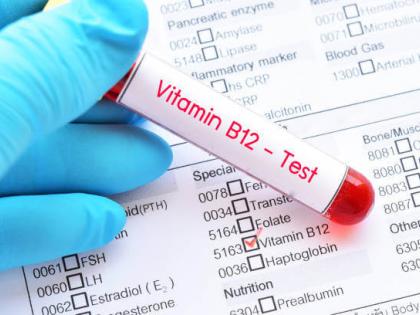
Vitamin B12 Deficiency Warning: Slow-Healing Mouth Ulcers and Tongue Pain May Signal Serious Health Risk
Modern life is running so fast that health often takes a backseat. In this hectic routine, many people forget proper nutrition, and one major victim of this neglect is Vitamin B12. This deficiency is not just a minor issue — it is a silent crisis that slowly affects the body. The colour and condition of your tongue can often indicate Vitamin B12 levels. Many people experience tiredness, memory issues, or body aches without realising that these symptoms may be linked to low B12. Because the signs appear gradually, the problem often remains unnoticed until it becomes serious.
Tongue Burning, Redness and Smooth Texture
If your tongue feels irritated frequently, looks unusually smooth, or becomes bright red, these are not just common mouth problems. They are warning signals indicating Vitamin B12 deficiency. When ignored, this deficiency can cause long-term damage, especially to the nervous system. Early medical attention is necessary to prevent complications. If the deficiency remains untreated, it may lead to permanent nerve damage. Recognising symptoms early, understanding what they mean, and seeking timely treatment is extremely important to protect overall health and avoid long-term consequences.
Vegetarians Are at Higher Risk
Vitamin B12, also called cobalamin, is mainly found in animal-based foods, making deficiency common among vegetarians. Even if they consume milk and dairy products regularly, the intake may not be sufficient. In such cases, fortified foods play a key role. Fortified foods are those that have nutrients like Vitamin B12 added during processing. These include fortified soy milk, almond milk, oat milk, nutritional yeast and certain breakfast cereals. Regular consumption of these foods can help maintain healthy Vitamin B12 levels and prevent deficiency, especially if natural dietary sources are limited or unavailable.
Glossitis: Painful Tongue Inflammation
A major visible symptom of Vitamin B12 deficiency is Glossitis, which causes swelling, pain and inflammation in the tongue. As the deficiency worsens, tiny taste buds (papillae) begin to disappear, making the tongue look shiny, smooth and dark red. This change becomes noticeable especially while eating spicy, acidic or hot food, which may cause burning or sharp pain. Sometimes eating or drinking becomes uncomfortable. If frequent tongue inflammation occurs without any infection, it may be a strong sign of Vitamin B12 deficiency and should not be ignored or treated as a simple oral problem.
Tongue Colour Turning Dark Red
Many people observe that their tongue becomes abnormally red or beef-coloured. This happens because the surface layer thins out as papillae disappear. Spicy or hot food may trigger pain, irritation or burning sensations. Vitamin B12 plays a crucial role in cell formation and DNA repair. When the body lacks enough B12, cells cannot regenerate properly, leading to mouth ulcers or sores that heal slowly. Persistent mouth ulcers are often dismissed as routine problems, but they may actually signal a deeper nutritional deficiency and should be taken seriously rather than ignored.
Also Read: High Uric Acid: A Simple Vegetable You Eat Daily May Be Making Pain Worse
Tingling or Numbness in the Tongue
Some individuals may experience a needle-like pricking sensation, numbness or tingling in the tongue — a condition known as lingual paraesthesia. This indicates that Vitamin B12 deficiency is now affecting the nervous system. B12 is essential for maintaining the protective myelin sheath around nerves. When levels drop, this sheath weakens, affecting nerve function. Symptoms may also appear in the hands and feet. If left untreated, this can lead to permanent nerve damage. Therefore, neurological symptoms linked to Vitamin B12 deficiency require immediate medical attention to prevent irreversible harm.
Best Food Sources to Improve Vitamin B12 Levels
The most effective way to increase Vitamin B12 naturally is through animal-based food sources. Eggs, chicken, fish, mutton, milk, curd, paneer, cheese and buttermilk are excellent options. Fish such as tuna and salmon are especially rich in B12. For those who avoid meat, dairy and fortified foods should be consumed regularly. Cow’s milk and related products are also good choices. Vegetarians must balance fortified foods with dairy products to maintain healthy levels. This careful dietary planning helps prevent deficiency and supports long-term nerve and cellular health.
Disclaimer: This information is for general awareness only and should not replace professional medical advice or treatment. Always consult a certified doctor for accurate diagnosis, supplements or treatment guidance.
Open in app