
India’s ethanol-blended petrol makes a splash amid global oil shock: report
By IANS | Updated: May 12, 2026 14:15 IST2026-05-12T14:14:48+5:302026-05-12T14:15:24+5:30



New Delhi, May 12 Amid global supply disruptions due to the Middle East crisis and soaring crude prices, ...
India’s ethanol-blended petrol makes a splash amid global oil shock: report
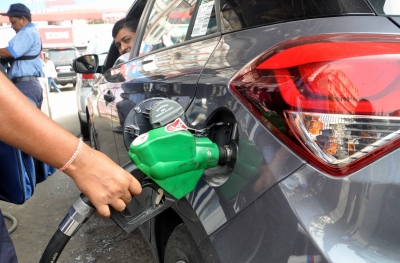
New Delhi, May 12 Amid global supply disruptions due to the Middle East crisis and soaring crude prices, ethanol-blended petrol is rapidly gaining ground as a sustainable fuel of the future, with India emerging as one of the world’s most closely watched biofuel success stories, according to a report in The Times Kuwait newspaper.
It points out that India’s long-term ethanol blending strategy has paid dividends by enabling the world’s fastest growing economy to cushion the oil supply shock amid the closure of the Strait of Hormuz that has roiled global markets.
It highlights how starting from a modest 5 per cent ethanol blending target in 2003, India accelerated its switch to biofuels and has now achieved nearly 20 per cent ethanol blending in petrol, ahead of its original target schedule. The country is now preparing for E85 petrol containing 85 per cent ethanol, as well as E100 fuels for flex-fuel vehicles capable of operating on multiple ethanol blends.
The article points out that even by 2014, India’s average ethanol blending level stood at only 1.53 per cent. However, steady policy support, investment in distillery capacity, and long-term planning laid the foundation for the rapid expansion seen today.
The major turning point came in 2018 with the introduction of the National Policy on Biofuels, which significantly broadened the programme’s scope.
Ethanol production was expanded beyond sugarcane molasses to include damaged food grains, surplus rice, maize and agricultural residues. The move reduced dependence on water-intensive sugarcane while bringing grain-producing regions in northern and central India into the ethanol economy, the article points out.
What initially began as an environmental initiative aimed at lowering carbon emissions has now evolved into a broader national strategy focused on energy security, economic resilience, and rural development, it observes.
The programme is helping India save billions of dollars in foreign exchange by reducing dependence on imported crude oil, particularly at a time when instability in West Asia continues to create uncertainty across global supply chains, the article states.
The ethanol push is also generating significant benefits for India’s rural economy. Rising demand for biofuel feedstock is supporting sugarcane farmers, grain producers, distilleries, and biofuel infrastructure developers, while creating new employment opportunities across agriculture, transportation, logistics, and manufacturing sectors, it added.
Disclaimer: This post has been auto-published from an agency feed without any modifications to the text and has not been reviewed by an editor
Open in app