
Iran mediators make last push towards a 45-day ceasefire, reports Axios
By ANI | Updated: April 6, 2026 08:40 IST2026-04-06T14:09:59+5:302026-04-06T08:40:05+5:30



Washington DC [US], April 6 : With the deadline set by US President Donald Trump approaching for Iran, Axios ...
Iran mediators make last push towards a 45-day ceasefire, reports Axios
Washington DC [US], April 6 : With the deadline set by US President Donald Trump approaching for Iran, Axios reported on Sunday (local time), citing sources that the US, Iran and a group of regional mediators are discussing the terms for a potential 45-day ceasefire that could result in a permanent end to the war.
As per Axios, the four sources US, Israeli and regional sources with knowledge of the talks said that the chances for reaching a partial deal over the next 48 hours are slim.
It further reported that the mediators told Iranian officials there is no time for further negotiation tactics and underlined that the next 48 hours are the last opportunity Iran to reach a deal and prevent massive destruction for the country.
However, the last-ditch efforts are the only chance to prevent a dramatic escalation in the war that will include massive strikes on Iranian civilian infrastructure and a retaliation against energy and water facilities in the Gulf states.
The development comes after the 10-day deadline to Iran which was expected to expire Monday evening was extended by 20 hours as Trump posted on Truth Social a new deadline of Tuesday at 8pm ET.
Two sources familiar with the matter said the operational plan for a massive US-Israeli bombing campaign against Iran's energy facilities is ready to go, however they said that the deadline extension by Trump was aimed at giving a last chance to reach a deal.
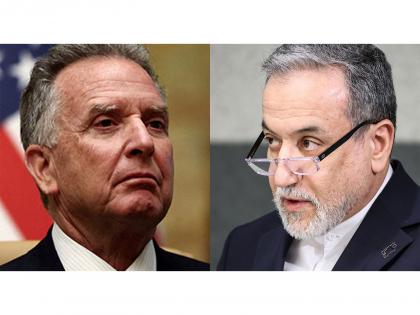
According to Axios, four sources with knowledge of the diplomatic efforts said the negotiations are taking place through Pakistani, Egyptian and Turkish mediators and also via text messages sent between Trump's special envoy Steve Witkoff and Iran's Foreign Minister Abbas Araghchi.
The US official further noted that while the Trump administration gave Iran several proposals in recent days, so far Iranian officials hadn't accepted them.
As per Axios, the sources noted that mediators are discussing with the parties the terms for two-phased deal where the first phase would a potential 45-day ceasefire during which a permanent end to the war would be negotiated and that the ceasefire could be extended if more time were needed for talks, one of the sources said.
The second phase would involve and an agreement on ending the war, with the sources further noting that the result of the final deal could be fully reopening the Strait of Hormuz and a solution for Iran's highly enriched Uranium either through its removal from the country or dilution.
As per the sources, the mediators are working on confidence building measures Iran could do regarding the reopening of the strait of Hormuz and it highly enriched Uranium stockpile.
While these two issue are Iran's main bargaining chips in the negotiations, sources said that the Iranians will not agree to fully give up on them for only 45 days of ceasefire, as per the report by Axios.
According to Axios, the mediators want to see whether Iran could take partial step on both issues in the first phase of the deal.
Meanwhile, they are also working on steps which the Trump administration could take so as to give Iran guarantees that the ceasefire will not be temporary and that the war will not resume.
As per Axios, the Iranian officials have made it clear to the mediators they don't want to be caught in a Gaza or Lebanon situation where there is a ceasefire on paper, but that the US and Israel attack again whenever they want to.
Meanwhile it further reported that the mediators are also working on other US confidence-building measures the Washington could take which would address some of Iran's demands.
According to Axios, the White House declined to comment.
The developments come as the mediators are highly concerned that the Iranian retaliation for a US-Israeli strike on the country's energy infrastructure would be destructive for Gulf countries' oil and water facilities.
As the situation evolves in the region, the Iranian revolutionary guards corps navy said on Sunday that the situation in the Strait of Hormuz will "never return" to what it was before the war, especially for the U.S. and Israel, Axios said.
Disclaimer: This post has been auto-published from an agency feed without any modifications to the text and has not been reviewed by an editor
Open in app