
Iraq Resumes Oil Exports via Kurdish Pipeline Amid West Asia War and Supply Crisis
By Lokmat Times Desk | Updated: March 18, 2026 16:02 IST2026-03-18T15:59:21+5:302026-03-18T16:02:17+5:30



Iraq has secured a major agreement to restart oil exports through Turkey’s Ceyhan Terminal, offering relief from a severe ...
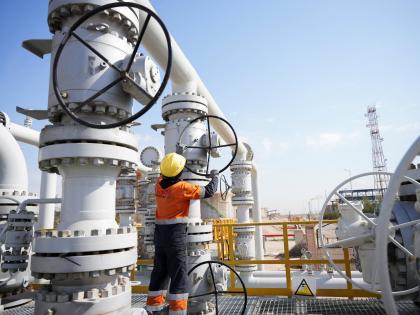
Iraq Resumes Oil Exports via Kurdish Pipeline Amid West Asia War and Supply Crisis
Iraq has secured a major agreement to restart oil exports through Turkey’s Ceyhan Terminal, offering relief from a severe production crisis triggered by disruptions in the Strait of Hormuz. The blockade had slashed southern oil output by nearly 70 percent, severely impacting the country’s economy. The new arrangement enables crude to flow through the semi-autonomous Kurdish region, restoring access to international markets at a time when global oil supplies remain under significant pressure and demand continues to rise steadily across multiple regions.
Check: US-Israel War Against Iran LIVE Updates: Israeli Strikes in Central Beirut Leave 12 Dead, 41 Injured
The agreement between Baghdad and Erbil marks a crucial step in stabilising Iraq’s struggling oil sector. Production had plunged dramatically from approximately 4.2 million barrels per day to nearly one million due to disruptions linked to the Hormuz route. By utilising the northern pipeline, Iraq can partially recover lost revenues and stabilise its financial situation. The deal also reflects a temporary easing of tensions between the federal government and Kurdish authorities, who had previously resisted cooperation over disputes involving economic policies, currency restrictions, and trade revenues.
Earlier disagreements saw Kurdish officials oppose the pipeline’s use, accusing Baghdad of imposing measures that restricted financial flows and hindered regional trade. However, the broader global concern over oil shortages has pushed both sides toward compromise. The decision underscores how international market pressures can influence internal political disputes. External diplomatic efforts also played a role, with Tom Barrack engaging regional authorities to help facilitate negotiations, highlighting the growing involvement of global stakeholders in ensuring energy stability.
Open in app