
JSMM chairman accused Pakistan of systematic suppression and resource plunder in Sindh
By ANI | Updated: April 26, 2026 12:15 IST2026-04-26T17:42:01+5:302026-04-26T12:15:08+5:30



Frankfurt [Germany], April 26 : On the anniversary of veteran Sindhi nationalist GM Syed, Shafi Burfat, chairman of Jeay ...
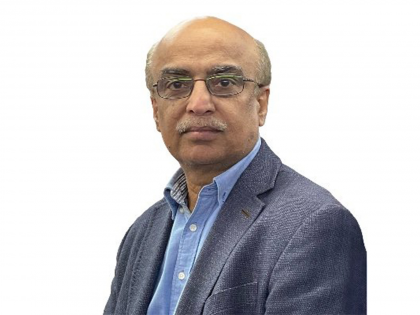
JSMM chairman accused Pakistan of systematic suppression and resource plunder in Sindh
Frankfurt [Germany], April 26 : On the anniversary of veteran Sindhi nationalist GM Syed, Shafi Burfat, chairman of Jeay Sindh Muttahida Mahaz (JSMM), issued a strong message asserting Sindh's distinct identity and criticising Pakistan's political structure.
In a post shared on X, Burfat described Sindh as an ancient civilisation with a unique cultural and historical identity that continues to seek national freedom. He argued that Sindh was incorporated into Pakistan under religious pretexts, resulting in decades of political marginalisation and economic exploitation.
Burfat accused the state of systematically controlling Sindh's natural resources, including land and the Indus River, while undermining the Sindhi language and historical narrative. He framed these actions as part of a broader pattern of domination, urging Sindhis to unite in organised political resistance to defend their rights, resources, and identity.
Highlighting global trends, Burfat said the post-Cold War era has witnessed a resurgence of national identities and liberation movements, arguing that Sindh, with its deep civilizational roots, should not remain under what he termed "external domination." He called for rejecting divisions based on religion, ethnicity, or language, emphasising a territorial national identity rooted in Sindh itself.
The JSMM leader also warned against what he described as deliberate state strategies to fragment Sindhi society along sectarian and ethnic lines. He urged political activists to mobilise at grassroots levels, particularly among workers, peasants, students, and rural communities, stating that such groups form the backbone of liberation movements.
Drawing parallels with historical struggles, Burfat pointed to sacrifices made in other independence movements, asserting that achieving national freedom often demands a high cost. He rejected accusations that nationalist movements promote violence, instead blaming state institutions for repression and misinformation campaigns.
Reiterating his stance, Burfat declared that all residents of Sindh, regardless of background, are part of a shared national identity tied to the land. He concluded with a call for unity, resistance, and vigilance, asserting that Sindh's people would continue their struggle against political and economic subjugation.
Disclaimer: This post has been auto-published from an agency feed without any modifications to the text and has not been reviewed by an editor
Open in app