
Pakistan: Economic challenges arise for farmers, labourers as modern harvesting techniques enter farms
By ANI | Updated: April 19, 2026 20:25 IST2026-04-20T01:52:26+5:302026-04-19T20:25:05+5:30



Khanewal [Pakistan], April 19 Pakistan is facing a unique conundrum. The attempt to move towards modern harvesting equipment ...
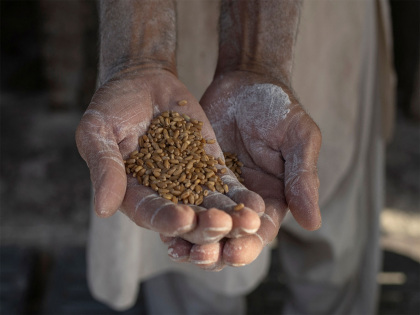
Pakistan: Economic challenges arise for farmers, labourers as modern harvesting techniques enter farms
Khanewal [Pakistan], April 19 Pakistan is facing a unique conundrum. The attempt to move towards modern harvesting equipment has deepened financial and social pressures on farmers and rural workers, The Express Tribune reported.
According to The Express Tribune, Khanewal, a key wheat-producing region, has historically depended on manual harvesting, where large groups of labourers spent days cutting crops with sickles.
This labour-intensive practice was not just an economic activity but also a long-standing rural tradition. However, the widespread adoption of combine harvesters has dramatically altered this landscape. These machines can harvest vast fields within hours, simultaneously separating grain from straw and eliminating much of the need for manual labour. Farmers acknowledge the advantages of mechanisation, particularly in reducing losses caused by unpredictable weather and speeding up the harvesting process. Yet, rising operational costs are a growing concern. Local grower Chaudhry Liaqat noted that expenses have surged, with per-acre harvesting costs climbing from approximately Rs 5,000 to nearly Rs 8,000.
Escalating diesel prices have further inflated the cost of fertilisers, pesticides, and other essential inputs, compounding financial strain on farmers. The shift has also had serious consequences for agricultural labourers. Seasonal workers, who once depended on harvesting for a steady income and were often compensated partly in wheat, now face dwindling job opportunities.
A farm worker, Tariq, said that machines complete tasks in hours that previously required days of human effort, leaving labourers without reliable work, as cited by The Express Tribune.
Experts argue that while modernisation is necessary for agricultural progress, it must be balanced with policies that protect vulnerable workers. They stress the need for alternative livelihoods and social safety nets.
Additionally, environmental concerns are emerging, as increased machinery use leads to higher fuel consumption and noise pollution, potentially disrupting rural ecosystems. Meanwhile, industry stakeholders point out that purchasing harvesters requires significant investment, with high maintenance and spare part costs further driving up rental rates for farmers, as reported by The Express Tribune.
Disclaimer: This post has been auto-published from an agency feed without any modifications to the text and has not been reviewed by an editor
Open in app