
Trump says Iran ‘desperate’ as blockade looms
By IANS | Updated: April 13, 2026 08:15 IST2026-04-13T08:12:38+5:302026-04-13T08:15:25+5:30



Washington, April 13 US President Donald Trump said that Iran was in “very bad shape” and “pretty desperate,” ...
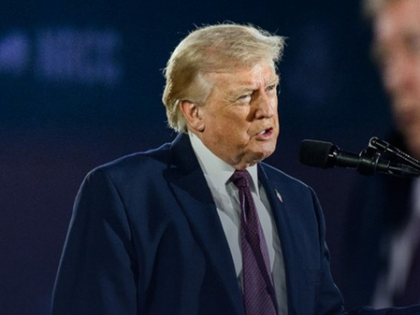
Trump says Iran ‘desperate’ as blockade looms
Washington, April 13 US President Donald Trump said that Iran was in “very bad shape” and “pretty desperate,” as he confirmed a planned blockade would take effect within hours.
Speaking to reporters on the tarmac after returning from Miami, Trump said a ceasefire in the region was “holding well,” but signalled no softening in Washington’s position ahead of the blockade set to begin at 10 a.m. Monday.
“The blockade will go into effect tomorrow at 10 am,” Trump said, adding that “there are many boats heading toward our country to fill up with oil.”
He indicated that other countries were cooperating with efforts to curb Iran’s oil sales, though he did not identify them. “Other nations are working so that Iran cannot sell oil,” he said.
On prospects for renewed negotiations with Tehran, Trump struck a dismissive tone.
“I think Iran is in very bad shape. I think they’re pretty desperate. Iran will not have a nuclear weapon,” he said.
Asked how long he would wait for Iran to return to the negotiating table, the President said: “I don’t care if they come back or not. If they don’t come back I’m fine.”
The remarks underscore a hardened US posture as tensions with Iran continue, with Washington combining economic pressure and maritime measures to restrict Tehran’s energy exports.
Trump also used the brief exchange with reporters to criticise NATO, expressing frustration with the alliance’s role.
“I’m very disappointed in NATO, they weren’t there for us. We pay trillions of dollars for NATO and they weren’t there for us,” he said.
He declined to respond to questions about Hungarian Prime Minister Viktor Orban’s reported electoral loss, ending the exchange after about six minutes and departing the tarmac.
The planned blockade marks a significant escalation in US efforts to pressure Iran, particularly targeting its oil exports, which remain a critical source of revenue for Tehran. Washington has long argued that restricting these revenues is key to curbing Iran’s nuclear ambitions.
Disclaimer: This post has been auto-published from an agency feed without any modifications to the text and has not been reviewed by an editor
Open in app