
When Is Mahashivratri 2026: February 15 Or 16? Know The Exact Tithi, Nishita Kaal Timings And Parana Muhurat
By Lokmat Times Desk | Updated: February 13, 2026 12:00 IST2026-02-13T12:00:52+5:302026-02-13T12:00:52+5:30



Mahashivratri 2026 holds immense spiritual importance in Sanatan Dharma as it marks the sacred union of Lord Shiva and ...
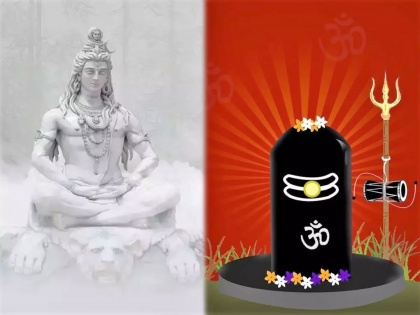
When Is Mahashivratri 2026: February 15 Or 16? Know The Exact Tithi, Nishita Kaal Timings And Parana Muhurat
Mahashivratri 2026 holds immense spiritual importance in Sanatan Dharma as it marks the sacred union of Lord Shiva and Goddess Shakti and commemorates the divine manifestation of Shiva as the eternal Linga. Every year, devotees eagerly await clarity about the exact observance date, as confusion often arises between February 15 and 16. According to the Hindu Panchang, Mahashivratri will be celebrated on Sunday, February 15, 2026. The festival falls on the Chaturdashi Tithi of Krishna Paksha. Though the month is known as Phalguna in North India and Magha in South India, the observance remains uniform nationwide.
Mahashivratri 2026 Date & Muhurat:
| Event | Date and Time |
|---|---|
| Mahashivratri 2026 Date | Sunday, February 15, 2026 |
| Chaturdashi Tithi Begins | 05:04 PM on February 15, 2026 |
| Chaturdashi Tithi Ends | 05:34 PM on February 16, 2026 |
| Nishita Kaal Puja | 12:09 AM to 01:01 AM (February 16) |
| Nishita Kaal Duration | 51 Minutes |
| Shivaratri Parana Time | 06:59 AM to 03:24 PM (February 16) |
The Chaturdashi Tithi prevailing during the night is the key factor in determining Mahashivratri. In 2026, this sacred lunar phase begins in the evening of February 15 and concludes the following evening on February 16. Among all worship timings, Nishita Kaal, the midnight period, is regarded as the most auspicious as it symbolizes the moment Lord Shiva manifested as the infinite Linga. Devotees observing the fast must perform Parana after sunrise on February 16 but before the Tithi concludes to attain the full spiritual merit of the vrat and divine blessings.
Devotees who undertake the night-long vigil divide the darkness into four Prahars, offering prayers during each segment as an expression of unwavering devotion. Based on New Delhi timings, the first Prahar extends from 06:11 PM to 09:23 PM on February 15, followed by the second Prahar from 09:23 PM to 12:35 AM. The third Prahar continues from 12:35 AM to 03:47 AM, and the fourth Prahar concludes between 03:47 AM and 06:59 AM on February 16. Worship during these four intervals is believed to cleanse past sins and invite spiritual upliftment.
Observing the Mahashivratri fast requires sincerity, discipline, and adherence to sacred customs. Preparations begin on Trayodashi, a day prior, when devotees consume only one meal. On the morning of February 15, after completing daily purification rituals, they take a Sankalp, pledging to observe the fast with dedication and seek Lord Shiva’s grace. A second bath is recommended in the evening before commencing worship or visiting a temple. Food is abstained from throughout the night, and the fast is concluded the next morning after ritual bathing, ensuring spiritual harmony and divine blessings.
Open in app