
Maharashtra: Bombay High Court Suspends Sentence of NCP Leader Manikrao Kokate, Grants Bail in 1995 Cheating and Forgery Case
By Lokmat Times Desk | Updated: December 19, 2025 18:13 IST2025-12-19T18:12:17+5:302025-12-19T18:13:00+5:30


The Bombay High Court on Friday ordered the suspension of the sentence awarded to Maharashtra Sports Minister Manikrao Kokate ...
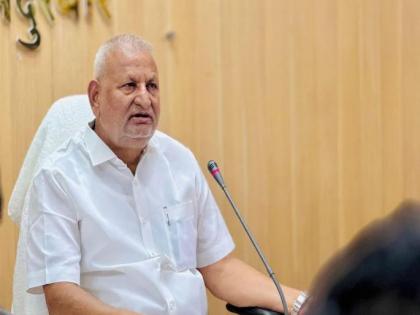
Maharashtra: Bombay High Court Suspends Sentence of NCP Leader Manikrao Kokate, Grants Bail in 1995 Cheating and Forgery Case
The Bombay High Court on Friday ordered the suspension of the sentence awarded to Maharashtra Sports Minister Manikrao Kokate in a decades-old cheating and forgery case, while granting him bail. Justice RN Laddha passed the order but declined to stay Kokate’s conviction at this stage. The relief comes as Kokate continues to challenge earlier court rulings that held him guilty in the matter. While the temporary suspension of the sentence allows him to remain out of jail, the refusal to pause the conviction keeps the legal cloud over his political future intact until the appeal is finally decided.
The High Court was hearing Kokate’s plea seeking suspension of his sentence and bail during the pendency of his appeal. He had approached the court after the Nashik Sessions Court upheld his conviction and the two-year imprisonment imposed on him in a cheating and forgery case. Through his application, Kokate argued that he deserved interim relief until the appeal is conclusively heard. The court considered the submissions and granted bail, allowing him temporary relief from incarceration, while making it clear that the conviction itself would remain in force for now.
Kokate, a leader of the Nationalist Congress Party led by Deputy Chief Minister Ajit Pawar, represents the Sinnar Assembly constituency in Nashik district. His counsel, advocate Aniket Nikam, pressed for an urgent hearing, stressing that the confirmed conviction could have serious political consequences. He submitted that if the conviction is not stayed, Kokate risks losing both his ministerial position in the state cabinet and his membership of the Legislative Assembly. The argument highlighted the immediate and irreversible impact the conviction could have on his political career.
Earlier, on February 20, a magistrate court in Nashik district convicted Manikrao Kokate and his brother Sunil Kokate in the case. The court sentenced both to two years of imprisonment after finding them guilty of submitting forged documents to obtain residential flats under a government housing quota. The conviction followed a prolonged trial that examined the authenticity of the documents used by the accused. The magistrate court concluded that the evidence clearly established cheating and forgery, leading to the custodial sentence imposed on both brothers.
Also Read: Madhya Pradesh: Barefoot Accused Outruns Cops In Shocking Roadside Escape (Watch Video)
Following the magistrate court verdict, the Nashik Sessions Court initially granted relief on March 5 by suspending the sentence and staying the conviction. However, the matter took a turn on December 16 when the Sessions Court confirmed the two-year jail term in connection with the fraudulent acquisition of flats under the Chief Minister’s Housing Scheme. Aggrieved by this decision, Kokate moved swiftly and, on December 17, approached the Bombay High Court challenging the confirmation of his conviction and sentence.
The case itself dates back to 1995 and was initiated by former minister Tukaram Dighole. He alleged that the Kokate brothers had committed fraud and forgery to secure flats under the Chief Minister’s discretionary quota. According to the prosecution, the accused falsely claimed to belong to the low-income group and declared that they did not own any other property. Investigations later revealed that the documents submitted in support of these claims were forged, forming the basis of the criminal charges.
While challenging the Sessions Court order that reaffirmed his conviction, Kokate also sought a stay on the conviction until his appeal is heard in detail. He argued before the High Court that such relief was necessary to prevent irreparable damage to his political standing. However, the court chose to grant only partial relief by suspending the sentence and granting bail, making it clear that the question of staying the conviction would be considered during the final hearing of the appeal.
Open in app