
Bombay HC Orders DNA Test of Seafarer Dixit Solanki Killed in Oman Drone Attack
By Lokmat Times Desk | Updated: April 7, 2026 17:30 IST2026-04-07T17:29:33+5:302026-04-07T17:30:54+5:30



The Bombay High Court on Tuesday instructed the Deputy Director General of Shipping to take custody of the mortal ...
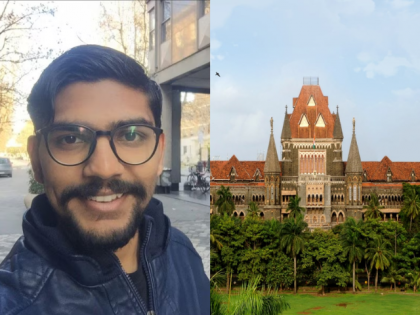
Bombay HC Orders DNA Test of Seafarer Dixit Solanki Killed in Oman Drone Attack
The Bombay High Court on Tuesday instructed the Deputy Director General of Shipping to take custody of the mortal remains of seafarer Dixit Solanki, who lost his life in a suspected drone boat attack near the Oman coast, and transfer them to the Forensic Science Laboratory in Kalina for DNA examination. The court issued this directive after being informed that the remains had arrived in India on Sunday but could not be handed over to the family due to identification concerns. The bench also stated that once the forensic report is completed, it must be shared with Solanki’s family without delay.
A division bench comprising Chief Justice Shree Chandrashekhar and Justice Gautam Ankhad passed the order while hearing the matter related to identification difficulties. During the proceedings, the family’s counsel, advocate Pradnya Talekar, urged the court to direct the forensic laboratory to complete the DNA analysis within a fixed timeframe. However, the bench refrained from imposing any strict deadline for the submission of the report, leaving the process to proceed as per standard protocols followed by the laboratory authorities.
Dixit Solanki, who was employed as an oiler on the oil tanker MT MKD Vyom, was killed on March 4 after an explosive-laden drone boat struck the vessel amid escalating tensions in West Asia. The incident has drawn attention as Solanki is believed to be the first Indian national to die in connection with the ongoing maritime conflict in the region. His death has raised serious concerns regarding the safety of Indian seafarers working in volatile international waters, especially in areas witnessing geopolitical unrest and security threats.
Last week, Solanki’s father Amratlal Solanki, aged 64, along with his daughter Mitali Solanki, approached the court alleging inadequate communication from the concerned authorities. They sought access to investigation details and forensic findings related to the incident, stating that nearly a month after the tragedy, they were still struggling to obtain clear and confirmed information. The petition highlighted their distress over the delay in identification and the absence of timely updates, which prevented them from performing the final rites of their deceased family member.
During Tuesday’s hearing, advocate Rui Rodrigues, representing the Union of India, informed the bench that letters had been sent to the Mumbai Police Commissioner and the Forensic Science Laboratory in Hyderabad to conduct DNA testing, citing lack of required expertise locally. He added that the remains were currently in the custody of an undertaker and that steps were being taken to ensure they were handled respectfully before being returned to the family. However, the court questioned the decision to send the remains outside Mumbai when a forensic facility was available within the city.
Taking note of the situation, the bench directed the Deputy Director General of Shipping to transfer the remains to the Forensic Science Laboratory in Mumbai instead of Hyderabad. It further ordered that once the DNA analysis is completed and the report is received by the authorities, a copy must be promptly provided to the bereaved family. The court’s directions aim to expedite the identification process and ensure that the family receives closure after the prolonged uncertainty surrounding the tragic death of Dixit Solanki.
Open in app