
Mumbai: Over 1,100 Kg Hydroponic Cannabis Seized at CSMI Airport in 10 Months
By vishal.singh | Updated: February 18, 2026 22:44 IST2026-02-18T22:33:21+5:302026-02-18T22:44:28+5:30



The Chhatrapati Shivaji Maharaj International Airport, one of the country’s busiest international airports, has emerged as a major target ...
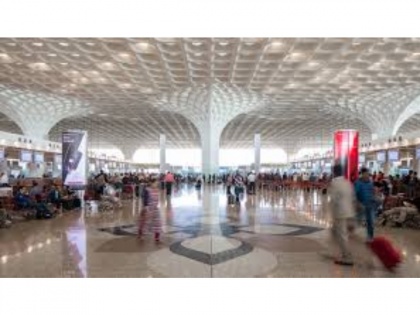
Mumbai: Over 1,100 Kg Hydroponic Cannabis Seized at CSMI Airport in 10 Months
The Chhatrapati Shivaji Maharaj International Airport, one of the country’s busiest international airports, has emerged as a major target for international drug traffickers. Expanding smuggling networks, foreign links and increasingly sophisticated concealment methods have raised serious concerns among security and enforcement agencies.
Data released by the Mumbai Customs Zone-III Airport Commissionerate highlights the gravity of the situation. In the ongoing financial year 2025–26 (till January 2026), as many as 207 cases have been registered under the Narcotic Drugs and Psychotropic Substances Act (NDPS Act), compared to just 57 cases in the previous financial year 2024–25 — nearly a fourfold increase. Officials said the spike reflects not only heightened vigilance but also the growing audacity and expanding footprint of drug syndicates.
Seizures Cross ₹1,200 Crore in 10 Months
According to official figures, during 2024–25, Customs arrested 81 accused and seized 388.42 kilograms of narcotics valued at ₹435.57 crore.
However, between April 2025 and January 2026, the situation turned significantly more alarming. Authorities recorded 249 arrests and seized 1,113.29 kilograms of drugs, with an estimated market value of ₹1,217.9 crore.
Hydroponic cannabis has emerged as the biggest challenge for investigators. Of the total drugs seized during this period, more than 1,101 kilograms fall under this category alone, valued at over ₹1,100 crore. Thailand has been identified as the primary source country in several cases.
The Air Intelligence Unit (AIU) has independently detected more than 200 cases. Officials revealed that Indian drug syndicates are working in coordination with agents based in Bangkok to recruit carriers and facilitate smuggling operations.
Carriers Across Age Groups, Families Involved
Perhaps the most startling aspect of the crackdown is the profile of those being used as carriers. Individuals aged between 21 and 61 years, women, and even families travelling with children have been found involved in smuggling attempts.
Carriers are reportedly lured with free flight tickets, hotel stays and small cash incentives, while the major profits are pocketed by the syndicate leaders operating behind the scenes.
Diplomatic Markings to Vegetables: Ingenious Concealment Tactics
Smugglers have displayed alarming creativity in hiding contraband. Methods uncovered include:
Fake diplomatic pouch markings of the Ministry of External Affairs
Misleading baggage tags of different flights
Concealment inside chips packets and shampoo bottles
Even stuffing narcotics inside vegetables
Officials stated that in more than 50 per cent of recent seizures, there was no prior specific intelligence input, underscoring how rapidly trafficking strategies are evolving.
Cocaine Trafficking Also a Major Concern
Alongside hydroponic cannabis, cocaine smuggling remains a serious threat. In one case, 80 cocaine capsules (866 grams) were recovered from the stomach of a 61-year-old Ugandan national. In another incident, 5.194 kilograms of cocaine were seized from an airline crew member. These cases confirm the involvement of organised international drug cartels.
Under the NDPS Act, trafficking of commercial quantities of narcotics carries a minimum punishment of 10 years’ imprisonment, extendable to 20 years. Repeat offenders may face up to 30 years in jail, and in rare cases, even the death penalty.
415 Kg Drugs Destroyed
In a significant step, the Mumbai Airport Commissionerate destroyed over 415 kilograms of seized narcotics during the current financial year, valued at approximately ₹486 crore.
Officials warned that drug trafficking at Mumbai airport is no longer merely a crime issue but an organised and international challenge. The sharp rise in cases indicates that unless surveillance and technological monitoring are further strengthened, the network could spread deeper. Enforcement agencies are now battling not just traffickers, but their constantly evolving tactics.
Open in app