
Karthigai Deepam ritual row: PIL in SC to curb communalisation of judicial orders
By IANS | Updated: December 15, 2025 18:30 IST2025-12-15T18:25:32+5:302025-12-15T18:30:13+5:30



New Delhi, Dec 15 A public interest litigation (PIL) has been filed before the Supreme Court seeking urgent ...
Karthigai Deepam ritual row: PIL in SC to curb communalisation of judicial orders
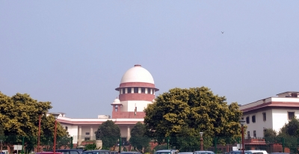
New Delhi, Dec 15 A public interest litigation (PIL) has been filed before the Supreme Court seeking urgent directions to protect the independence of the judiciary and to prevent “intimidation and communalisation of judicial orders”, following recent rulings delivered by Justice G.R. Swaminathan of the Madras High Court.
The PIL, filed by advocate G.S. Mani under Article 32 of the Constitution, stated that the petition has been moved not to defend any individual judge, but “to protect the institution of judiciary, ensure rule of law, prevent communal polarisation, and secure uniform enforcement of constitutional norms across the country”.
Referring to the controversy that erupted after Justice Swaminathan’s orders relating to the Thiruparankundram Deepam issue, the petitioner has alleged that widespread public reactions, including political statements, protests, lawyer demonstrations and social media campaigns, have “crossed the constitutionally permissible limits of criticism and entered the realm of scandalizing the judiciary, communalization of judicial acts, and interference with the administration of justice”.
The petition said that judges cannot be subjected to pressure through street protests or online abuse for their judicial decisions, adding that “the only constitutionally recognised remedy against a judicial decision is through appeal, review or other lawful procedures”.
The PIL cautioned that allowing such campaigns against sitting judges would have a “chilling effect on judicial independence and discourage judges from discharging their duties fearlessly”.
The plea stated that portraying a judicial pronouncement as religiously motivated “undermines public faith in constitutional courts and emboldens mob-driven justice,” thereby posing a real and imminent threat to public order and communal harmony in Tamil Nadu.
The PIL said that despite the availability of legal provisions under the Bharatiya Nyaya Sanhita, the Information Technology Act and the Contempt of Courts Act, no effective preventive or corrective action has been taken to restrain unlawful assemblies near Madras High Court premises or online hate speech targeting Justice Swaminathan, a constitutional authority.
The petitioner said that detailed representations were submitted to the Tamil Nadu Chief Secretary, Home Secretary, Director General of Police, senior police officials and the Registrar General of the Madras High Court, but “till date no reply, no response and no action” have been taken on his representations.
Seeking intervention by the apex court, the PIL has urged issuance of directions to prevent unlawful protests against courts and judges, safeguard judicial independence from political and communal pressure, ensure action against hate speech and communalisation of judicial orders, and direct the police machinery to uphold public order and constitutional discipline.
Earlier this month, Tamil Nadu BJP president Nainar Nagenthran accused MPs of the INDIA bloc of attempting to intimidate and undermine the judiciary through their move to initiate impeachment proceedings against Justice Swaminathan, describing the move as “shameful and politically motivated” and an attempt to “instil fear in the minds of judges”.
More recently, a group of former Supreme Court judges, former Chief Justices of High Courts and senior High Court judges issued a joint statement condemning the impeachment attempt, terming it a “brazen attempt” to browbeat a sitting judge for judicial reasoning that does not align with certain ideological or political expectations.
Cautioning that such moves strike at the roots of democracy, the retired judges stressed that in a constitutional system governed by the rule of law, judgments are to be tested through appeals and reasoned legal critique — not by political pressure or threats of impeachment.
Disclaimer: This post has been auto-published from an agency feed without any modifications to the text and has not been reviewed by an editor
Open in app