
Tata Curvv and the Engineering Challenge of Coupe-Style SUVs
By Impact Desk | Updated: March 23, 2026 17:28 IST2026-03-23T17:27:55+5:302026-03-23T17:28:13+5:30



Coupe-style SUVs have emerged as one of the most visually distinctive developments in modern automotive design. By combining the ...
Tata Curvv and the Engineering Challenge of Coupe-Style SUVs
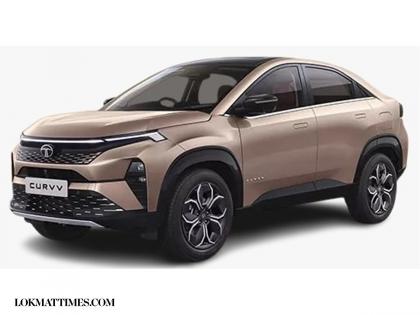
Coupe-style SUVs have emerged as one of the most visually distinctive developments in modern automotive design. By combining the elevated stance of an SUV with the sloping roofline traditionally associated with coupes, these vehicles create a silhouette that prioritises style and aerodynamic flow. However, achieving this balance is far from straightforward. The Tata Curvv illustrates the engineering challenges involved in designing a coupe-style SUV that maintains practicality, safety, and performance. Unlike conventional SUVs, which typically emphasise upright profiles and maximised cabin volume, coupe-style SUVs require careful structural and spatial optimisation.
The Design Philosophy Behind Coupe SUVs
The defining characteristic of a coupe-style SUV is its sloping roofline. Instead of a flat roof that extends toward the rear, the roof tapers downward in a continuous curve. This creates a more dynamic appearance and reduces aerodynamic drag. The Tata Curvv reflects this philosophy with its distinctive curved profile, which is described as a design approach that “unravels the extraordinary” by departing from conventional straight-line SUV styling. However, this stylistic approach introduces significant engineering constraints. A sloping roof reduces vertical space toward the rear, which can affect passenger headroom and cargo capacity. Engineers must therefore redesign interior layouts and structural components to preserve comfort and usability.
Managing Interior Space in a Curved Silhouette
One of the primary engineering challenges of coupe-style SUVs is maintaining interior practicality. Traditional SUVs rely on tall, squared-off roofs to maximise passenger space. A coupe-style roofline naturally reduces available headroom. The Tata Curvv addresses this challenge through careful cabin design and seat positioning. Features such as rear seat reclining functionality and flexible seat arrangements help maintain passenger comfort despite the descending roofline. Additionally, the vehicle offers 500 litres of boot space, demonstrating how cargo capacity can be preserved even in a coupe-inspired structure. By carefully shaping interior architecture, manufacturers can maintain practicality while retaining distinctive exterior styling.
Structural Engineering and Safety
Another engineering challenge involves structural rigidity. The sloping roof reduces the vertical support typically provided by conventional SUV pillars. To address this, the Curvv uses ATLAS architecture, a platform engineered with advanced materials and a continuous structural framework designed to improve crash protection and ride stability. This architecture supports the vehicle’s 5-star BNCAP safety rating and integrates six airbags along with advanced driver assistance features such as lane keep assist, forward collision warning, and autonomous emergency braking.
Engineering a coupe-style SUV, therefore, requires reinforcing structural strength while maintaining a sleek design.
Aerodynamics and Efficiency
The curved roofline of coupe SUVs is not purely aesthetic. Aerodynamic efficiency plays a key role in the design. A tapered roof reduces airflow turbulence behind the vehicle, thereby improving efficiency and stability at higher speeds. The Curvv’s sculpted bodywork, connected LED tail lamps, and flush door handles contribute to smoother airflow along the vehicle’s surface. Such aerodynamic considerations support both performance and efficiency. Although these benefits are subtle in everyday driving, they demonstrate how styling decisions influence engineering outcomes.
Powertrain Integration and Performance
The Tata Curvv also demonstrates how coupe-style SUVs must integrate performance engineering alongside design innovation. It offers multiple engine configurations, including:
- 1.2-litre Revotron petrol engine producing 88.2 kW and 170 Nm torque
- Hyperion gasoline direct injection engine delivering 91.9 kW and 225 Nm torque
- 1.5-litre Kryojet diesel engine producing 86.7 kW and 260 Nm torque
These powertrain options are paired with multi-drive modes such as Eco, City, and Sport, allowing drivers to adjust performance characteristics according to driving conditions.
Balancing performance with aerodynamic styling is another challenge unique to coupe SUVs.
Technology Supporting the Driving Experience
The Curvv’s cabin integrates a 12.3-inch touchscreen infotainment system, a 10.25-inch digital instrument cluster, and a JBL nine-speaker sound system. These features reinforce the modern SUV experience that buyers in this segment expect.
Connected car technology through iRA telematics allows drivers to monitor vehicle diagnostics and access assistance services remotely.
Many buyers explore such features before purchase on online car-buying platforms like ACKO Drive, where specifications, safety technologies, and drivetrain options can be compared before booking a vehicle. This research-driven approach highlights how modern SUV buyers evaluate both design and engineering capabilities.
The Future of Coupe-Style SUVs
The Tata Curvv illustrates how automotive design is evolving beyond traditional body styles. Coupe-style SUVs are likely to grow in popularity as buyers increasingly seek vehicles that combine practicality with distinctive aesthetics.
However, their development requires solving multiple engineering challenges simultaneously — preserving cabin space, maintaining structural integrity, and ensuring aerodynamic efficiency.
Conclusion
The Tata Curvv demonstrates how coupe-style SUVs represent a complex blend of design ambition and engineering precision. By combining a sloping roofline with advanced structural architecture, practical interior packaging, and modern powertrain options, the vehicle highlights the technical effort required to translate bold design concepts into functional production models. As automotive design continues to evolve, coupe SUVs like the Curvv illustrate how innovation in shape and engineering can coexist to redefine the future of SUV development.
Open in app