
Sensex Opens 300 Points Higher, Nifty Above 25,700 After US Supreme Court Scraps Trump’s Tariffs
By Lokmat Times Desk | Updated: February 23, 2026 09:42 IST2026-02-23T09:30:28+5:302026-02-23T09:42:22+5:30



BSE Sensex gained 300 points or 0.11% higher at 82,906.83, while Nifty was above 25,700 or 0.42% Monday, February ...
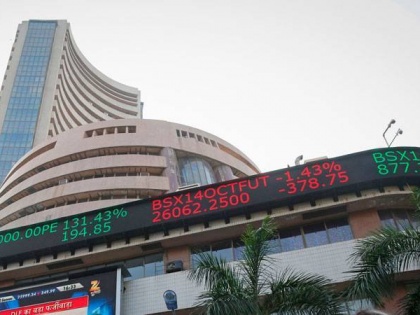
Sensex Opens 300 Points Higher, Nifty Above 25,700 After US Supreme Court Scraps Trump’s Tariffs
BSE Sensex gained 300 points or 0.11% higher at 82,906.83, while Nifty was above 25,700 or 0.42% Monday, February 23, after the US Supreme Court scrapped US President Donald Trump's tariffs. However, his subsequent 15% duty on imports is likely to limit follow-through. The small caps and mid caps increased to 0.7% and 0.2% respectively as 14 of the 16 major sectors showed gains in early trading.
This comes after the US Supreme Court on Friday scrapped the Trump administration’s 50% and 25% tariffs, which he had pursued under a law intended for use in national emergencies, in a ruling with significant implications for global trade and economy.
However, on Saturday, the wow to increase the temporary tariff on US imports from all countries, including India, from 10% to 15%. After the development in tariffs, India has delayed its plans to send a trad negotiators to the US this week, according to a Reuters report, citing sources.
Among stocks, IDFC First Bank tumbled 10% after the lender said it was investigating a suspected fraud of $65 million by some employees involving accounts of local government entities.
The Indian delegation was earlier scheduled to visit the US on Sunday (February 22) to finalise the trade deal. US tariffs, under the proposed framework, were expected to be reduced to 18%. In return, India had agreed to purchase $500 billion worth of U.S. goods over five years.
Open in app