
424 living with HIV/AIDS in Mongolia
By IANS | Updated: December 1, 2025 15:45 IST2025-12-01T15:44:34+5:302025-12-01T15:45:27+5:30



Ulan Bator, Dec 1 A total of 424 HIV carriers and AIDS patients are now living in Mongolia, ...
424 living with HIV/AIDS in Mongolia
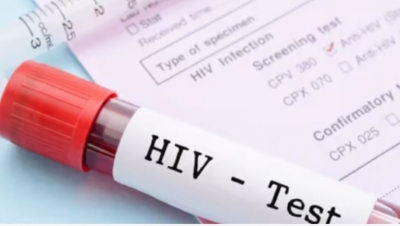
Ulan Bator, Dec 1 A total of 424 HIV carriers and AIDS patients are now living in Mongolia, the country's National Center for Communicable Diseases (NCCD) said Monday.
A total of 36 new HIV cases were recorded in the first 11 months of 2025, the NCCD said in a statement issued in observance of World AIDS Day, marked annually on December 1.
The majority of the HIV-infected are aged between 20 and 44. About 99.7 per cent of the infections resulted from sexual transmission.
The first case of HIV infection in Mongolia was registered in 1992. Since then, 71 people have died of AIDS in the country with a population of 3.5 million, Xinhua news agency reported.
According to the World Health Organization, HIV is a virus that attacks the body’s immune system. AIDS occurs at the most advanced stage of infection.
HIV targets the body’s white blood cells, weakening the immune system. This makes it easier to get sick with diseases like tuberculosis, infections and some cancers.
HIV is spread from the body fluids of an infected person, including blood, breast milk, semen and vaginal fluids. It is not spread by kisses, hugs or sharing food. It can also spread from a mother to her baby.
HIV can be prevented and treated with antiretroviral therapy (ART). Untreated HIV can progress to AIDS, often after many years.
HIV spreads more easily in the first few months after a person is infected, but many are unaware of their status until the later stages. In the first few weeks after being infected people may not experience symptoms. Others may have an influenza-like illness including: fever, headache, rash, and sore throat.
HIV can be transmitted via the exchange of body fluids from people living with HIV, including blood, breast milk, semen, and vaginal secretions. HIV can also be transmitted to a child during pregnancy and delivery. People cannot become infected with HIV through ordinary day-to-day contact such as kissing, hugging, shaking hands, or sharing personal objects, food or water.
Disclaimer: This post has been auto-published from an agency feed without any modifications to the text and has not been reviewed by an editor
Open in app