
Pakistan: Textile workers subjected to exploitative wages, hazardous environment
By IANS | Updated: April 13, 2026 21:25 IST2026-04-13T21:23:52+5:302026-04-13T21:25:22+5:30



Islamabad, April 13 A new study conducted by the Labour Education Foundation (LEF), in collaboration with Arisa, a ...
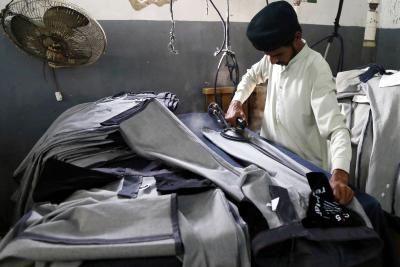
Pakistan: Textile workers subjected to exploitative wages, hazardous environment
Islamabad, April 13 A new study conducted by the Labour Education Foundation (LEF), in collaboration with Arisa, a Holland-based rights body, has found labour rights violations in Pakistan's textile recycling industry, sparking critical questions about the true cost of "sustainable fashion", local media reported.
While fashion brands market textile recycling as a pillar of sustainable, they remain largely unaware or unaccountable for labour rights violations in the vary systems that make such recycling possible. As many as 20 leading brands were analysed during the research, Pakistan's leading daily Dawn reported.
Despite selling clothes made from recycled textile materials, majority of these firms have little to no information about the working conditions or wages of labourers handling textile waste in their supply chains. The research conducted in Pakistan, where Faisalabad and Karachi are two major hubs of the textile recycling industry, exposed harsh realities of the largely informal textile recycling industry.
Workers reported schedules of working for up to 12 hours a day, seven days a week, often without formal contracts, salary slips or job security. According to the report, wages are often paid to the workers in cash, with money being inadequate to meet basic living expenses.
According to the report, workers face constant exposure to heat, dust and hazardous chemicals without proper ventilation or protective equipment, leading to respiratory problems, skin and eye irritation and other ailments. Using machines without proper training further increases the risk of serious injuries to workers.
It highlighted the vulnerability of the workers, which majorly comprise migrants and people from marginalised communities. Due to limited employment alternatives, many of the workers are forced to work in these conditions. The report also documented cases of child labour in the industry.
Despite these findings, Dawn reported, many brands either do not have information about their recycling supply chains or shift responsibility through vague disclosures. At the same time, they promote recycled-clothing as a sustainable and ethical choice.
LEF and Arisa have urged fashion brands to take action by mapping their supply chains, including recycling facilities and addressing labour and human rights risks.
Disclaimer: This post has been auto-published from an agency feed without any modifications to the text and has not been reviewed by an editor
Open in app