
Sri Lanka Orders Shorter Work Week, Promotes Remote Work to Tackle Fuel Shortage as West Asia War Leads to Crisis
By Lokmat Times Desk | Updated: March 17, 2026 08:55 IST2026-03-17T08:53:51+5:302026-03-17T08:55:47+5:30



Sri Lanka has introduced a reduced work week as part of urgent measures to preserve its limited fuel supplies, ...
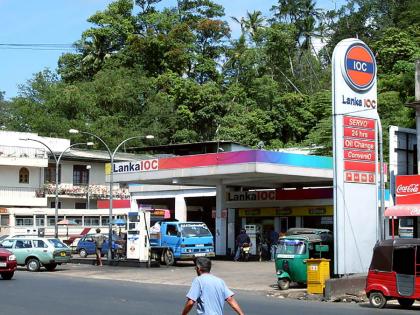
Sri Lanka Orders Shorter Work Week, Promotes Remote Work to Tackle Fuel Shortage as West Asia War Leads to Crisis
Sri Lanka has introduced a reduced work week as part of urgent measures to preserve its limited fuel supplies, officials confirmed on Monday. The decision comes amid rising concerns over a prolonged conflict in the Middle East, which threatens global energy stability. Authorities believe that cutting down the number of working days will help lower fuel consumption significantly. This move reflects the country’s cautious approach as it braces for potential disruptions in oil supply chains. The government is prioritising essential usage while attempting to avoid a repeat of the severe shortages experienced during its recent economic crisis.
The situation has been worsened by tensions in the Middle East, particularly around the Strait of Hormuz, a crucial maritime route for global oil shipments. Nearly one-fifth of the world’s exports typically pass through this narrow channel during normal times. However, Iran has effectively restricted access to the strait in response to ongoing military actions involving the United States and Israel. With the conflict now entering its third week, fears of supply disruptions have intensified. For import-dependent nations like Sri Lanka, this development poses a serious threat to energy security and economic stability in the coming weeks.
Commissioner-General of Essential Services Prabath Chandrakeerthi announced that all government institutions will shift to a four-day work schedule starting Wednesday. This directive will also extend to educational institutions, including schools and universities, and will remain in force until further notice. The decision was taken after careful evaluation of fuel reserves and future risks. Authorities are aiming to reduce daily commuting and operational energy consumption. By limiting institutional activities, the government hopes to stretch available fuel supplies and ensure that critical sectors continue functioning without facing immediate shortages or disruptions.
In addition to public sector changes, the government has urged private companies to adopt similar measures. Officials have specifically recommended declaring Wednesdays as a weekly holiday to further cut fuel usage. The announcement followed an emergency meeting chaired by President Anura Kumara Dissanayake, where senior officials discussed contingency plans. During the meeting, the president emphasised the need for preparedness while maintaining cautious optimism. The administration is attempting to create a unified national response by encouraging both public and private sectors to cooperate in managing resources during this uncertain period.
Also Read: Indian-flagged LPG tanker ‘Nanda Devi’ to arrive at Kandla Port today
Despite the restrictions, essential services such as healthcare, port operations, and emergency response systems will continue to operate without interruption. The government has also halted all non-essential public events and ceremonies to minimise unnecessary fuel expenditure. Civil servants have been advised to work remotely wherever feasible, reducing travel requirements. These steps are part of a broader strategy to conserve energy and maintain stability. Officials are determined to ensure that vital services remain unaffected, even as the country navigates the challenges posed by global geopolitical tensions and limited fuel availability.
Fuel rationing has already been implemented, with motorists now restricted to purchasing only 15 litres of petrol or diesel per week. Public transport systems have been allocated a higher quota of up to 200 litres to maintain operations. Authorities estimate that current fuel reserves could last for nearly six weeks under controlled usage. However, they have warned that any disruption in fresh supplies could quickly escalate into a crisis. Given Sri Lanka’s reliance on imports, maintaining a steady inflow of fuel remains critical to avoiding severe shortages and economic setbacks.
Sri Lanka sources refined petroleum from countries such as Singapore, Malaysia, and South Korea, while crude oil for its refinery is imported from the Middle East. Any escalation in regional conflict could therefore directly impact supply chains. The government has cautioned that a prolonged war could derail its recovery from the devastating economic collapse of 2022. After defaulting on a $46 billion foreign debt due to a severe foreign exchange shortage, the country secured a $2.9 billion bailout from the International Monetary Fund. Officials now fear that renewed instability could undermine these recovery efforts.
Open in app