
Akshaya Tritiya 2026: Why Do We Eat Aamras-Puri and Offer It to Ancestors?
By Lokmat Times Desk | Updated: April 17, 2026 15:44 IST2026-04-17T15:40:38+5:302026-04-17T15:44:19+5:30



Akshaya Tritiya is consider as one of the auspicious day in three and half muhurats, this year it falls ...
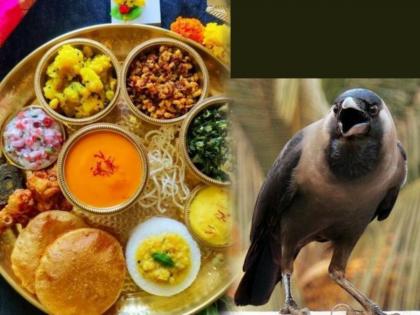
Akshaya Tritiya 2026: Why Do We Eat Aamras-Puri and Offer It to Ancestors?
Akshaya Tritiya is consider as one of the auspicious day in three and half muhurats, this year it falls on April 19, 2026. On this day we send (Pathavni) to chaitra gauri which came to their maternal home. For nevidya Aamaras-Puri is offered in many households, the very first mango of the season is consumed on this specific day. Surprised to read that? Yes! There are indeed people around us who still adhere to this tradition. While this is not a written rule, when and how did this unwritten custom originate? And what is the underlying reason for offering mangoes to one's ancestors (Pitrus) on this day? Let us explore the answers.
In today's market, mangoes appear as early as December, driven by demand for Aamras-Puri during Padwa, leading to high prices for unripe fruit. However, mangoes naturally ripen in Vaishakh. Raw mangoes (Kairi) are harvested and ripened in crates using agents like hay. By the time this process is complete, Vaishakh has arrived, and the mango is offered to the deity on Akshaya Tritiya before family consumption.
Offering Mangoes to the Deity on Akshaya Tritiya: Since we hold the belief that "whatever we receive comes through the grace of God," we customarily place any new item before the deity prior to using it ourselves. The sole intention behind this act is to invite the divine gaze upon the object, ensuring that it proves beneficial to us and continues to flourish or multiply.
Akshaya Tritiya is revered as one of the three-and-a-half most auspicious Muhurats (auspicious timings) in the Hindu calendar. Consequently, a mango that has just been brought home is first presented before the deity, after which the family members partake in the delight of Aamras together.
Offerings to Ancestors: On Akshaya Tritiya, there is a custom of performing acts of charity and making donations in the name of one's ancestors. It is believed that by doing so, one receives the blessings of the ancestors, and their souls attain salvation. In essence, the underlying objective is to remember them during moments of both joy and sorrow, and to remain conscious of the fact that our very existence is sustained by their grace. In rural areas, even today, people dutifully donate mangoes in the name of their ancestors.
Also Read: Akshaya Tritiya 2026: Why Mangoes Are Offered on This Auspicious Day
The Natural Ripening of Mangoes: Naturally ripened mangoes release a fragrant aroma. The fruit's sweetness develops as follows: unripe mangoes (kairi) are astringent. As the seed hardens, the fruit becomes sour and edible. Starches and malic acid accumulate, then, post-harvest, convert to sugars. When this conversion is nearly complete, the mango achieves peak sweetness and juiciness, indicated by its yellowing skin. This process, combined with geographical, scientific, and religious elements, explains the association between Akshaya Tritiya and the mango.
Open in app