
Colon Cancer: Why Cases Are Rising Among Young Adults and How Daily Food Habits Can Lower Your Risk
By Lokmat Times Desk | Updated: February 9, 2026 10:04 IST2026-02-09T10:04:27+5:302026-02-09T10:04:58+5:30



In today’s fast-paced world, more attention is paid to how quickly we eat rather than what we eat. In ...
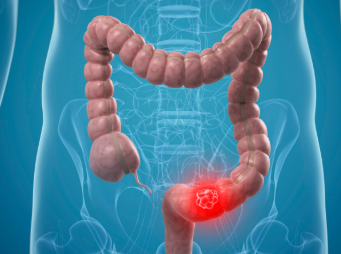
Colon Cancer: Why Cases Are Rising Among Young Adults and How Daily Food Habits Can Lower Your Risk
In today’s fast-paced world, more attention is paid to how quickly we eat rather than what we eat. In this constant rush, one of the most vital organs of the body—the gut—often gets ignored. Medical experts are increasingly concerned as cases of colon cancer are rising rapidly among younger age groups. Earlier, this disease was believed to affect people only after the age of fifty, but today individuals in their twenties and thirties are also being diagnosed. The gut is where true health begins. When unhealthy food is consumed, gut bacteria and cells send warning signals, which are often overlooked. Instead of panicking, a closer look at daily dietary habits can offer natural protection. Gastroenterologist Dr. Saurabh Sethi has shared foods that quietly strengthen gut health and reduce cancer risk.
Pulses and Legumes
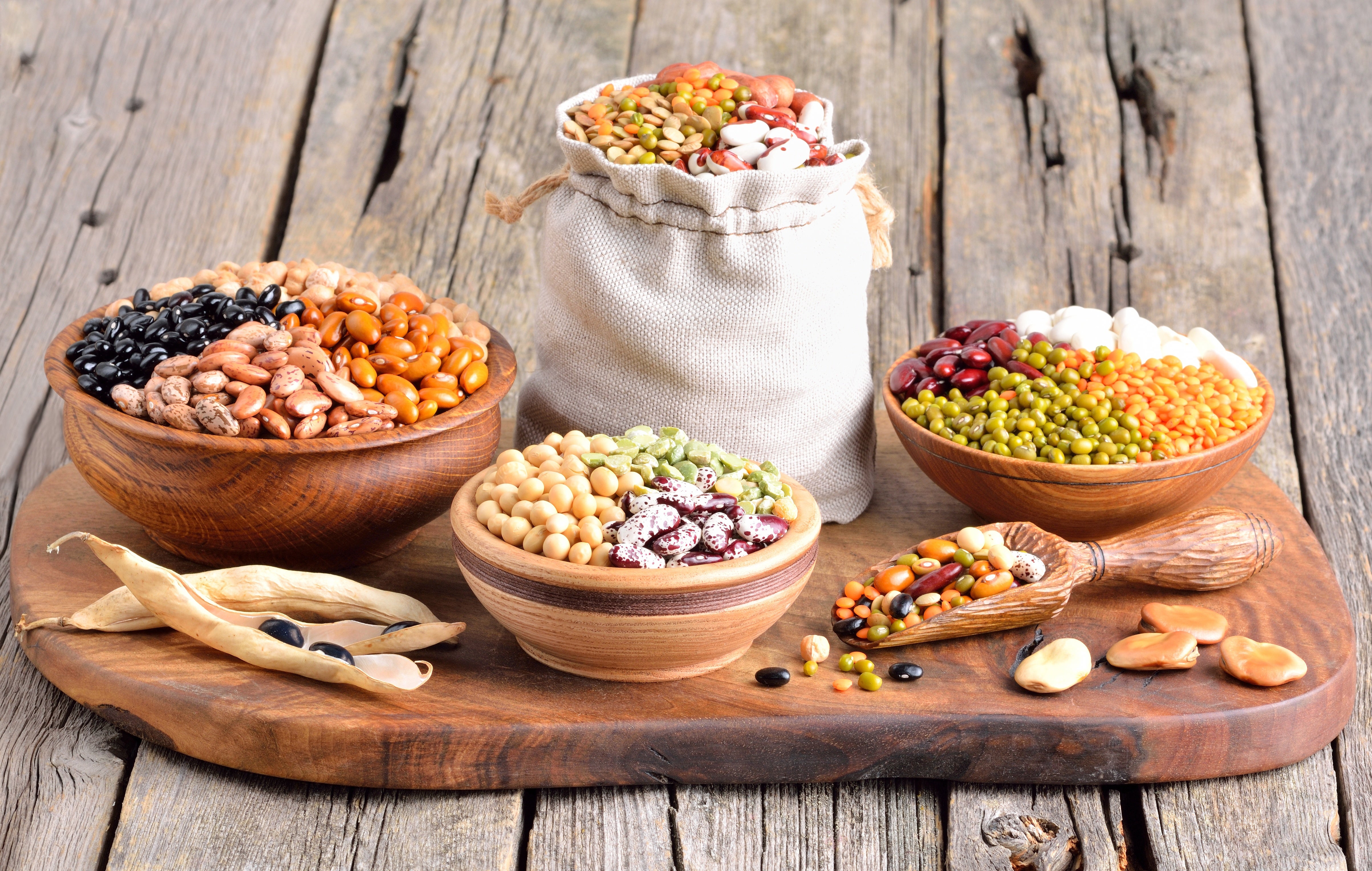
Traditional Maharashtrian meals such as matki usal, pithla, and dal-rice are more powerful than we realise. Beans and lentils are not only rich in protein but also contain resistant starch, which bypasses digestion in the small intestine and reaches the colon. There, it nourishes beneficial gut bacteria that protect intestinal health. According to a European study, people who consume at least 100 grams of legumes daily have a 21 percent lower risk of developing colon cancer. Pulses also help prevent inflammation, a key trigger behind tumour formation. Including kulith, moong, or chickpeas in the diet creates a natural protective shield that supports cell repair and long-term gut health.
Curd and Buttermilk
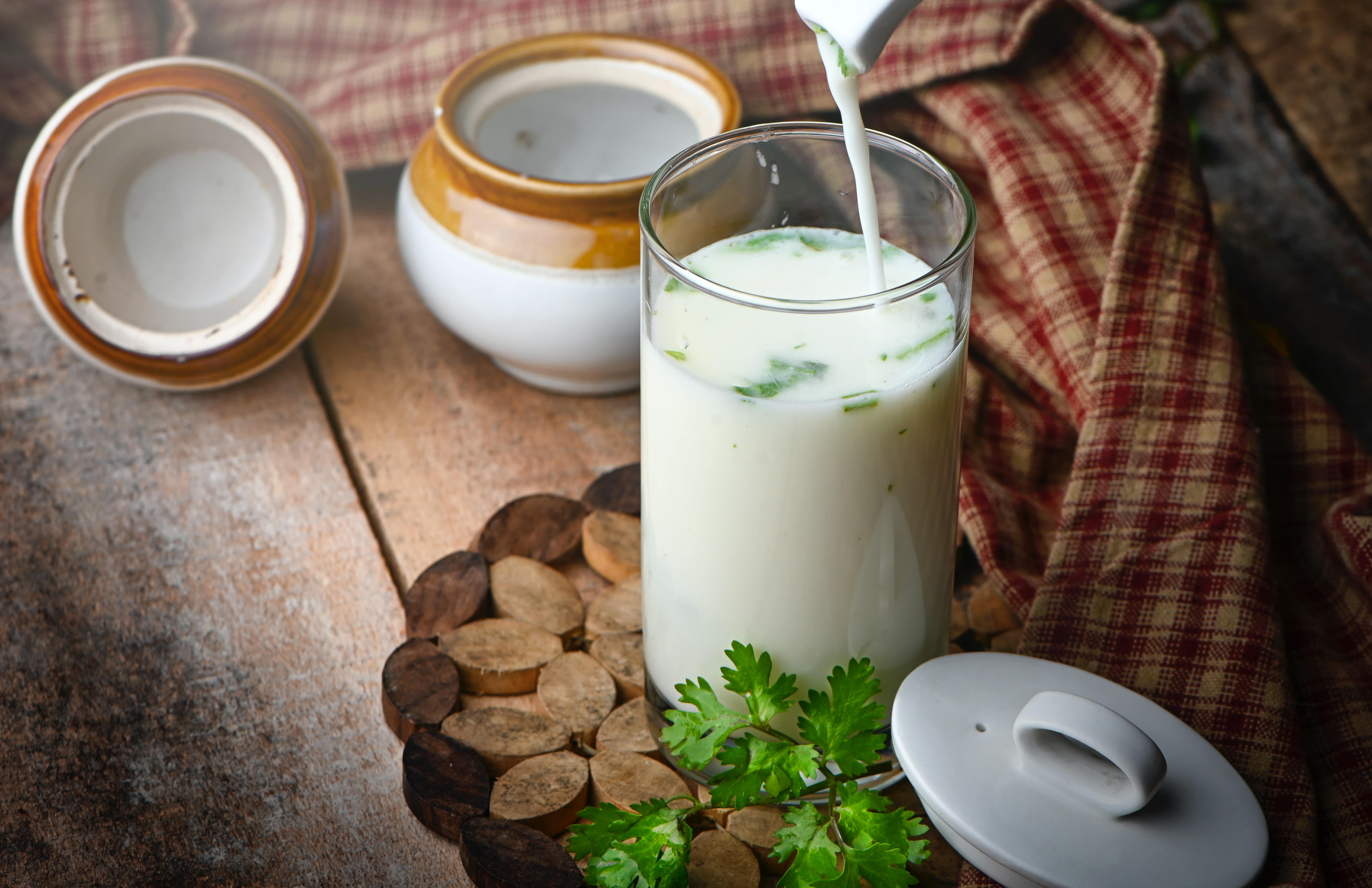
The tradition of consuming curd or drinking buttermilk after meals is deeply rooted in science. Curd, yogurt, and other fermented foods are rich sources of probiotics that help maintain a healthy balance of gut microorganisms. When beneficial bacteria dominate the gut, harmful cancer-causing cells struggle to survive. Regular consumption of curd strengthens the intestinal barrier, preventing toxins from entering the bloodstream. In Maharashtra’s climate, buttermilk is more than a refreshing drink—it actively supports colon health. Consuming fresh curd four to five times a week is one of the simplest, most affordable ways to protect the gut and reduce the risk of colorectal cancer naturally.
Garlic
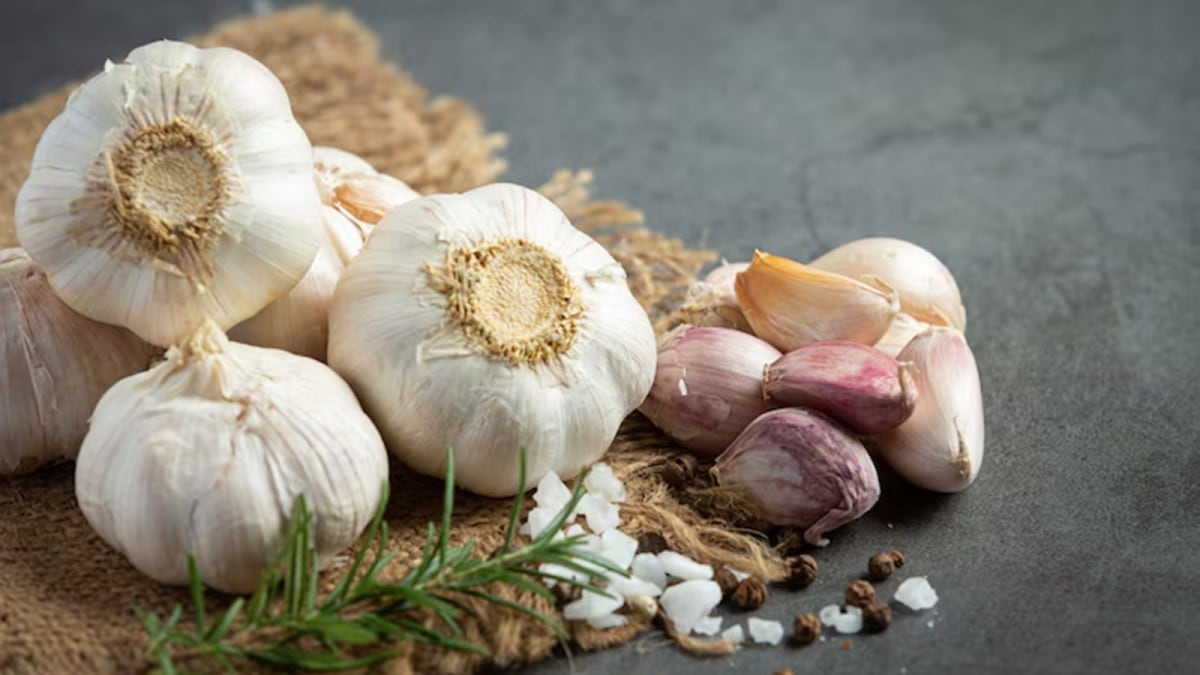
Garlic does far more than enhance the flavour of food. It contains sulfur compounds and flavonoids that actively suppress the growth of cancer cells. Garlic also helps control harmful bacteria in the gut, reducing the risk of infections and chronic inflammation. These properties make it a powerful natural defender of intestinal health.
Onion
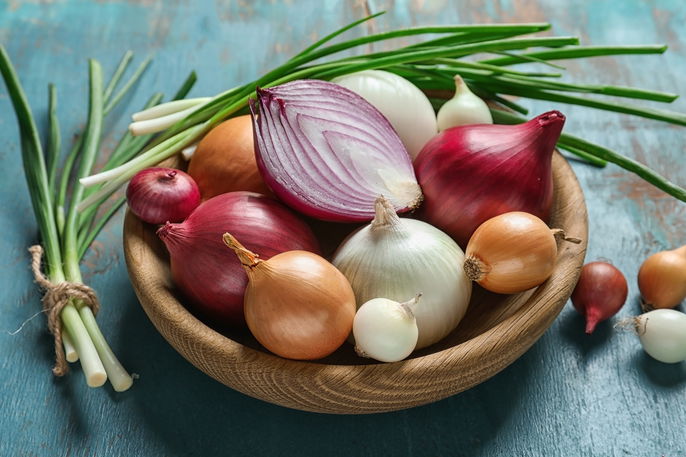
Like garlic, onions are rich in prebiotic fibre and flavonoids. They help nourish healthy gut bacteria, which play a critical role in digestion, immunity, and protection against diseases. A balanced gut microbiome supported by onions contributes significantly to long-term colon health.
Tomatoes
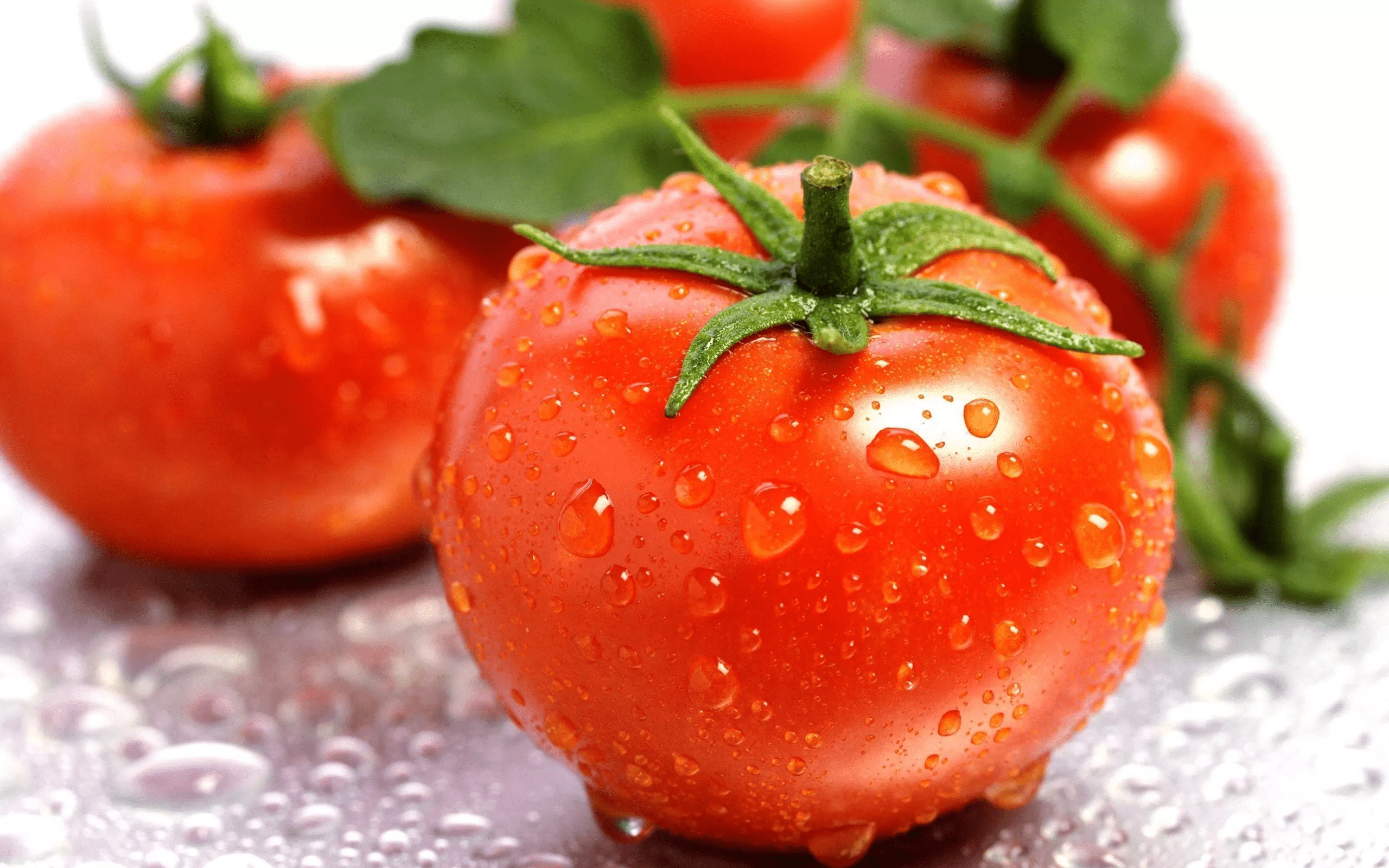
Tomatoes are packed with lycopene, while berries contain powerful antioxidants that protect cells from oxidative damage. These nutrients act as nature’s medicine, strengthening the immune system from within without causing side effects. Regular intake helps prevent cellular damage linked to cancer development.
Leafy Greens and Cruciferous Vegetables
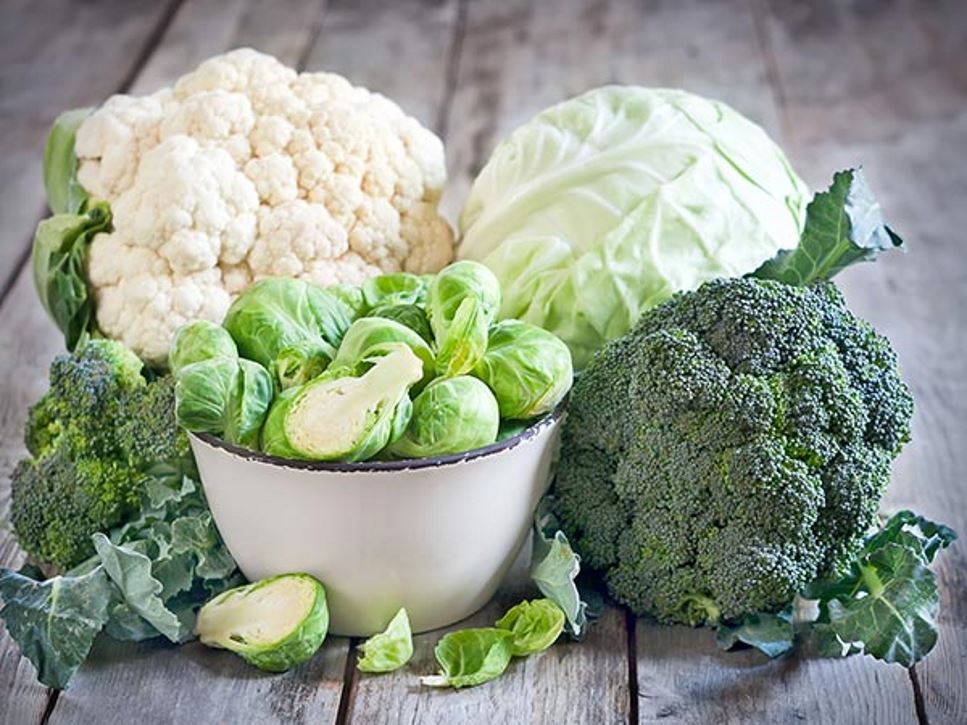
Leafy greens such as spinach and fenugreek, along with cruciferous vegetables like cabbage, cauliflower, and broccoli, contain sulforaphane compounds that help eliminate cancer-causing toxins from the body. Folate and antioxidants found in greens support DNA repair, preventing uncontrolled cell growth. Glucosinolates present in cabbage and cauliflower convert into anti-inflammatory compounds during digestion, reducing colon irritation. Daily consumption of green vegetables also improves digestion regularity, which is one of the earliest indicators of a healthy gut and reduced cancer risk.
Dry Fruits and Seeds
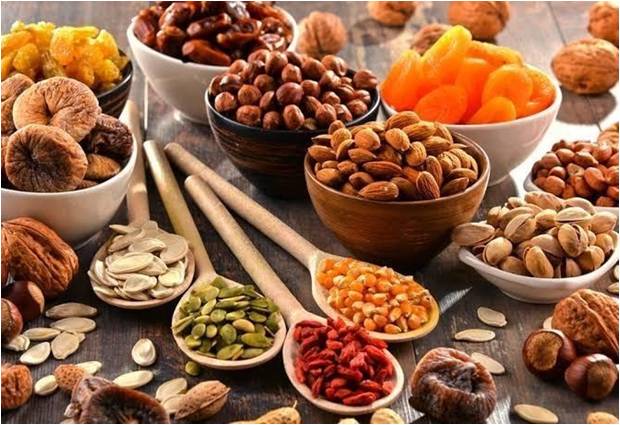
Nuts such as walnuts, almonds, and various seeds are excellent sources of healthy fats and phytosterols. European research suggests that individuals who regularly consume nuts have a 33 percent lower risk of developing colon cancer. These nutrients help reduce inflammation and support cellular protection.
Broccoli
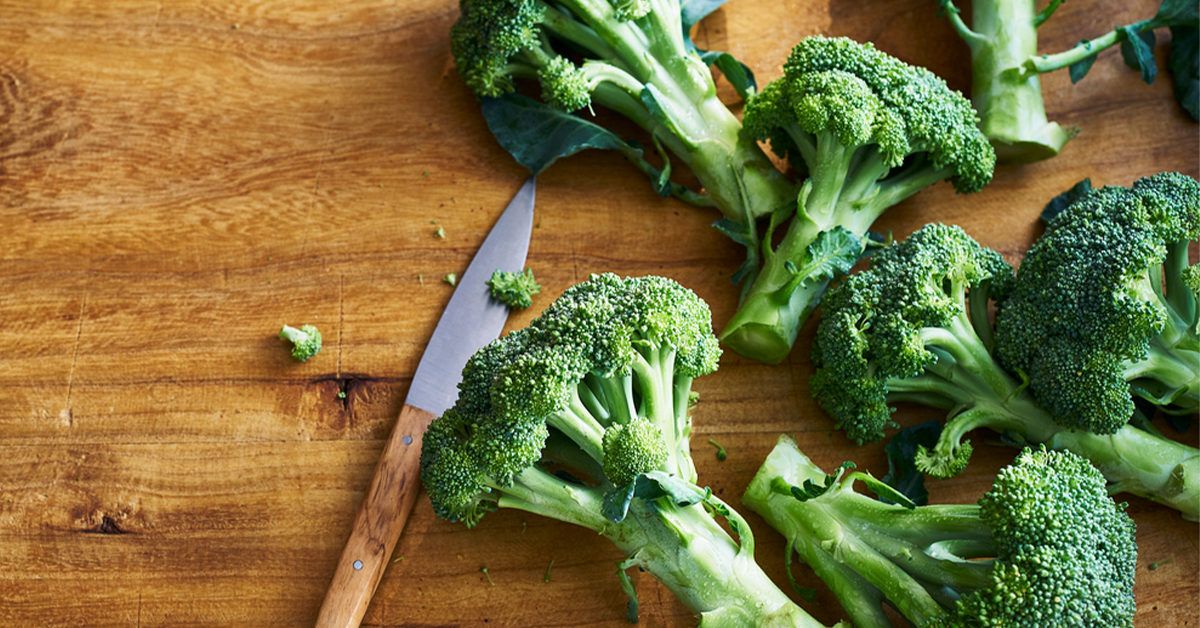
Broccoli and other cruciferous vegetables contain glucosinolates that convert into sulforaphane and similar compounds. These substances help neutralise carcinogens, reduce swelling and inflammation, and promote the repair of intestinal cells. Broccoli is widely regarded as one of the most effective vegetables for colon protection.
Whole Grains – Oats, Barley, Quinoa

Whole grains like oats, barley, and quinoa act like natural cleansers for the digestive system. They contain both soluble and insoluble fibre, which help remove waste efficiently. When bowel movements are regular, intestinal cells have less exposure to cancer-causing substances. Traditional grains like jowar and ragi, commonly eaten in Maharashtra, are even more nutritious and support healthy gut bacteria. These grains promote the production of protective fatty acids. Replacing refined grains with whole grains is a major step toward preventing colorectal cancer.
Berries

Berries are rich in antioxidants such as anthocyanins that neutralise free radicals and reduce oxidative stress linked to tumour growth. A small study found that colorectal cancer patients who consumed blueberry extract for seven days experienced a 7 percent reduction in cancer cell growth. This highlights the protective potential of berries when included regularly in the diet.
Disclaimer: This article is for informational purposes only and does not replace professional medical advice. Readers are advised to consult qualified healthcare professionals before making dietary or lifestyle changes, especially if they have existing medical conditions.
Open in app