
Tired and Low on Energy? Your Liver May Need This Everyday Vegetable
By Lokmat Times Desk | Updated: December 1, 2025 11:23 IST2025-12-01T11:22:50+5:302025-12-01T11:23:24+5:30



Feeling unusually tired, noticing dull skin, or struggling with poor sleep may not always be caused by stress — ...
Tired and Low on Energy? Your Liver May Need This Everyday Vegetable
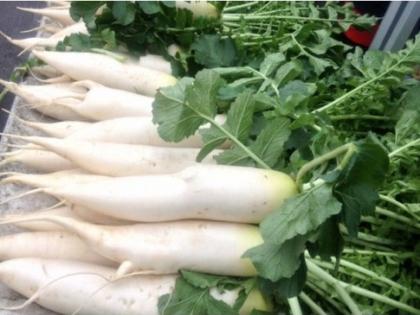
Feeling unusually tired, noticing dull skin, or struggling with poor sleep may not always be caused by stress — sometimes the liver may be signaling trouble. Poor dietary habits and an erratic lifestyle can weaken liver function over time. However, some foods naturally support liver cleansing and improve digestion. One such vegetable, commonly found in kitchens, is appreciated by both Ayurveda and modern medicine. It is known to boost energy, improve gut function, and support long-term wellness. Despite being a regular ingredient in meals, its powerful benefits remain unknown to many.
1. Radish Contains Glucosinolates That Support Liver Detox
Radish has natural compounds called glucosinolates that help the liver flush out toxins faster. These compounds strengthen the enzyme activity responsible for filtering waste and reducing toxin buildup. When the body carries fewer toxins, symptoms like fatigue, bloating, and dull skin reduce, and overall wellness improves. Since radish is light and easy to digest, it does not strain the liver. Instead, it supports its natural functioning, helping maintain metabolic balance. Over time, regular intake of radish may contribute to better digestion, improved energy levels, and stronger liver health.
2. Helps Reduce Fat Accumulation Around the Liver
Radish is rich in fibre and antioxidants that help gradually reduce fat stored around the liver. With increasing cases of fatty liver disease caused by poor diet and sedentary lifestyle, adding radish to meals may offer natural support. It prevents fat buildup and can help detox the system without harsh side effects. People aiming for weight loss or better metabolism may notice benefits with regular consumption. By supporting liver function and reducing fat load, radish helps the body feel lighter, supports metabolism, and may improve long-term liver health.
3. Antioxidants Protect Liver Cells and Support Healing
Radish contains vitamin C and other antioxidants that protect liver cells from oxidative stress. Factors like pollution, stress, and excessive medication can damage liver tissues. The antioxidants in radish help strengthen cells, reduce inflammation, and support natural repair. When the liver functions smoothly, the skin looks healthier, digestion improves, and energy levels remain stable. Including radish in meals may help shield the body against daily damage and support a healthier metabolic system over time.
4. Ayurveda Recognises Radish for Digestion and Body Cleansing
Ayurveda considers radish beneficial for blood purification and balancing pitta and kapha doshas. When digestion works smoothly, the liver doesn't experience excessive stress, allowing it to function efficiently. Radish is light, hydrating, and helps remove accumulated waste naturally. It may also support immunity and improve gut health. Because of its cleansing nature, Ayurveda often recommends radish as part of a healthy dietary routine for overall well-being and better internal balance.
5. Experts Recommend Consuming Radish Regularly for Liver Health
Hepatology expert Dr. Shivkumar Sareen from the Institute of Liver and Biliary Sciences in New Delhi says a good diet is key to a healthy liver. He recommends including radish regularly in salads, soups, cooked dishes, or as juice. Drinking radish juice on an empty stomach may help digestion. Eating both the root and its leaves offers maximum nutrition. However, moderation is essential, and those with medical conditions should consult a doctor before adding it regularly.
Disclaimer: This article is for general information only. It should not replace medical advice, diagnosis, or treatment. Always consult a healthcare professional for personalised guidance.
Open in app