
Fuel Price Hike Likely After Polls; Petrol May Rise ₹18, Diesel ₹35 Per Litre
By Lokmat Times Desk | Updated: April 14, 2026 17:10 IST2026-04-14T17:10:41+5:302026-04-14T17:10:41+5:30



Fuel prices in India may see a sharp rise, with petrol expected to become costlier by ₹18 per litre ...
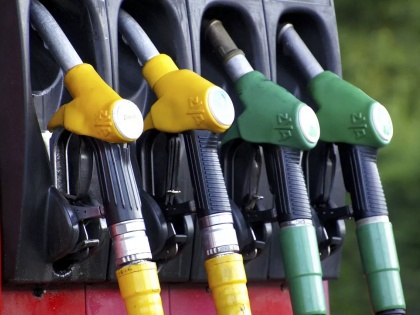
Fuel Price Hike Likely After Polls; Petrol May Rise ₹18, Diesel ₹35 Per Litre
Fuel prices in India may see a sharp rise, with petrol expected to become costlier by ₹18 per litre and diesel by ₹35 per litre due to the steady surge in global crude oil prices. Despite this increase, domestic fuel rates have remained unchanged for some time, leading to mounting losses for oil marketing companies. Reports indicate that firms are incurring losses of ₹18 per litre on petrol and ₹35 per litre on diesel. In the past month alone, three major companies collectively suffered losses of nearly ₹2,400 crore. Although a ₹10 cut in excise duty helped reduce the burden to around ₹1,600 crore, companies continue to face financial strain as crude prices climb.
The situation is further aggravated by India’s heavy dependence on imported crude oil, which accounts for nearly 88% of its total requirement. Of this, around 45% is sourced from the Middle East, while about 35% comes from Russia. Rising crude oil prices not only impact oil companies but also pose a serious risk to the country’s current account deficit (CAD), which is projected to reach nearly $20 billion by the first quarter of 2026. Additionally, the government’s revenue from excise duty on fuel has steadily declined over the years, dropping from 22% in the financial year 2017 to just 8% now. Even a complete removal of excise duty may not fully offset the losses faced by oil companies under current pricing conditions.
Also Read: Maharashtra Issues 92 Lakh E-Challans, Nearly Half Remain Unsettled
Globally, fuel prices are also on the rise. In the United States, the average petrol price has crossed $4 per gallon for the first time since August 2022. Several neighboring countries, including Pakistan, Nepal, and Sri Lanka, have already increased fuel prices in response to global trends. In India, petrol prices were controlled by the government until June 2010, after which pricing was deregulated and handed over to oil companies. Similarly, diesel prices were deregulated in October 2014. Currently, fuel prices are revised daily based on international crude oil rates, exchange rates, taxes, transportation costs, and other factors.
Meanwhile, political considerations may also be influencing fuel price stability. Elections are currently underway in states such as Assam, Kerala, Puducherry, Tamil Nadu, and West Bengal. Industry observers believe that fuel prices have been kept unchanged during the election period and may be revised upward once the elections conclude. This pattern has been seen in the past as well, where price adjustments were deferred temporarily due to political sensitivities. As a result, consumers may soon face a significant increase in petrol and diesel prices after the electoral process ends.
Open in app