
Gujarat sees 92 pc fall in malaria cases over decade, records low positivity rate
By IANS | Updated: April 25, 2026 20:10 IST2026-04-25T20:07:39+5:302026-04-25T20:10:16+5:30



Gandhinagar, April 25 Gujarat has recorded a decline of around 92 per cent in malaria cases over the ...
Gujarat sees 92 pc fall in malaria cases over decade, records low positivity rate
Gandhinagar, April 25 Gujarat has recorded a decline of around 92 per cent in malaria cases over the past 10 years, the state Health Department said on Saturday, highlighting sustained surveillance and prevention efforts as World Malaria Day was observed.
Observed annually on April 25 by the World Health Organisation, the day aims to raise awareness about malaria control and ensure active community participation.
This year's theme, "Driven to End Malaria: Now We Can. Now We Must", focuses on increasing efforts towards elimination.
According to the department, extensive measures have been implemented across rural and urban areas, including house-to-house surveillance, fever surveillance, anti-larval operations, inspection of construction sites, blood screening of labourers and the introduction of larvivorous fish in stagnant water sources.
Diagnosis and treatment of malaria are being provided free of cost at all government health centres.
Data shared by officials shows that in 2025, more than 1.81 lakh fever patients were tested, with positive cases receiving prompt treatment.
The malaria positivity rate has been recorded below one per 1,000 population across all districts and municipal corporations.
As a result, Gujarat has moved from Category-2 to Category-1 under the malaria elimination framework.
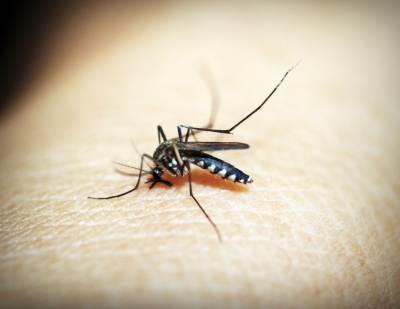
Health officials said malaria is caused by the Plasmodium parasite and is transmitted through the bite of infected female Anopheles mosquitoes, which breed mainly in clean and stagnant water.
Symptoms include severe chills, fever with shivering, headache, body aches, nausea or vomiting, and excessive sweating once the fever subsides.
The department has also undertaken awareness campaigns through exhibitions at public places, rallies, educational programmes in schools and colleges, and outreach via social media, television and FM radio to promote preventive practices.
These include keeping water containers covered, preventing water accumulation around homes, installing window screens, using mosquito nets, and seeking immediate blood testing in case of fever.
"The only way to prevent malaria is early diagnosis and complete treatment," officials added.
Disclaimer: This post has been auto-published from an agency feed without any modifications to the text and has not been reviewed by an editor
Open in app