
Why Do Railways Confirm High Waiting Tickets But Reject Low Ones?
By Lokmat Times Desk | Updated: March 24, 2026 17:15 IST2026-03-24T17:15:38+5:302026-03-24T17:15:38+5:30



During peak travel periods such as Diwali and summer vacations, getting a confirmed train ticket often turns into a ...
Why Do Railways Confirm High Waiting Tickets But Reject Low Ones?
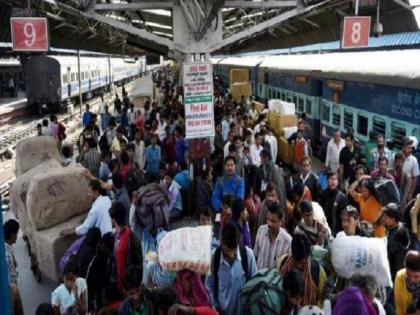
During peak travel periods such as Diwali and summer vacations, getting a confirmed train ticket often turns into a difficult task for passengers. Even after multiple attempts, many travelers fail to secure confirmed bookings. There are instances where tickets with a waiting list of 100 to 120 get confirmed within a few days, while tickets with a much lower waiting number, such as 5 to 10, remain unconfirmed until the final chart is prepared. Due to such inconsistencies, different beliefs have emerged among passengers. Some assume that tickets with waiting numbers up to 30 usually get confirmed, while others believe that even a waiting list of 100 can clear. At the same time, a section of travelers insists that even a waiting number of 10 offers no guarantee of confirmation, highlighting the uncertainty of the system.
Why Do Waiting List Tickets Get Confirmed or Remain Pending?
Route-Based Seat Allocation
The railways do not sell tickets strictly based on the total number of seats available on a train. Instead, seats are distributed across different segments of the journey. For example, in a train running between Mumbai and Nagpur, seats are divided for passengers traveling between various intermediate stations. This means a seat may be available for one segment but not for another, affecting confirmation chances.
Station-Specific Quotas
Ticket availability depends on where a passenger boards and deboards. A ticket might be confirmed for one station but remain on the waiting list for another because each station has a specific quota of seats allocated to it.
Dynamic Cancellations
Cancellations by confirmed passengers play a major role in clearing the waiting list. If a large number of passengers cancel their tickets, even higher waiting list numbers can get confirmed. On the other hand, fewer cancellations can prevent even low waiting numbers from getting confirmed.
Chart Preparation Timing
The final status of a ticket depends on the preparation of the reservation chart, which usually happens a few hours before departure. If cancellations occur just before charting, waiting list tickets may move up quickly, but if not, they remain unconfirmed.
Demand and Popular Routes
Trains running on highly popular routes or during peak seasons experience heavy demand. In such cases, even low waiting list tickets may not get confirmed, while on less crowded routes, higher waiting numbers may clear easily.
