
After 3 years of intensive research, spent fuel transportation containers developed in Vadodara
By IANS | Updated: January 6, 2026 19:55 IST2026-01-06T19:54:46+5:302026-01-06T19:55:10+5:30



Vadodara, Jan 6 To boost India's indigenous nuclear manufacturing capabilities, a Vadodara-based MSME has successfully developed critical equipment ...
After 3 years of intensive research, spent fuel transportation containers developed in Vadodara
Vadodara, Jan 6 To boost India's indigenous nuclear manufacturing capabilities, a Vadodara-based MSME has successfully developed critical equipment used in nuclear power plants after three years of intensive research and development.
The equipment -- used for the safe handling, transportation, and storage of spent nuclear fuel rods -- is now being manufactured locally, marking a major milestone for India's nuclear energy sector.
The achievement aligns with the 'Make in India' and 'Aatmanirbhar Bharat' vision championed by the Prime Minister Narendra Modi, as these highly specialised systems were earlier imported from abroad.
With local manufacturing now in place, India reduces its dependence on foreign suppliers for sensitive nuclear infrastructure.
Notably, this Vadodara MSME has emerged as the world's first facility where three crucial nuclear components are being manufactured under one roof: Fuel transfer machine, fuel transportation container and fuel storage rack.
This integrated capability is being described as a global first in the nuclear manufacturing ecosystem.
In nuclear power plants, electricity is generated by rotating turbines using steam produced from highly heated water. This heat is generated through nuclear fission, primarily using Uranium-235 fuel rods.
Over time, these fuel rods lose efficiency and must be replaced.
There are two main types of nuclear reactors -- Pressurised Heavy Water Reactors and Light Water Reactors -- each using different fuel rod configurations and life cycles.
Once the fuel rods complete their operational life, they still retain extremely high levels of heat and radiation, making their handling a critical safety challenge.
After removal from the reactor core, spent fuel rods are stored within the plant premises in deep water-filled fuel ponds, often up to 42 metres in length.
These ponds allow radiation and heat levels to gradually reduce over a period of six to seven years before the fuel is moved for further storage or processing.
Given the hazardous nature of spent fuel -- often highlighted in popular culture through web series like Chernobyl -- its transportation and storage require highly specialised, automated systems with multiple safety layers.
Until now, India relied on imported fuel transfer machines, transportation containers, and storage racks.
Responding to a requirement from the Nuclear Power Corporation of India Limited, the Vadodara-based MSME undertook the challenge of developing these systems domestically.
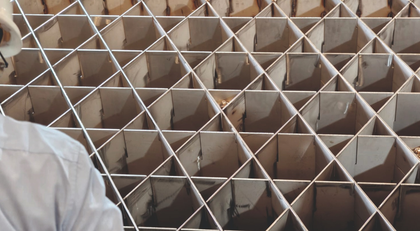
As part of this effort, the unit has already manufactured Spent Fuel Storage Racks using borated stainless steel, a material capable of absorbing neutron emissions and preventing criticality risks.
These storage racks have successfully cleared multi-stage testing by various Central government agencies and are scheduled to be dispatched to the Kudankulam Nuclear Power Plant in Tamil Nadu.
The remaining equipment, including fuel transfer machines, is expected to be completed and delivered in the coming days.
The successful indigenous development of these high-precision nuclear components is being hailed as a matter of pride for Vadodara's industrial sector and India's MSME ecosystem.
It demonstrates the growing capability of Indian enterprises to meet global standards in one of the world's most sensitive and technologically demanding industries.
Disclaimer: This post has been auto-published from an agency feed without any modifications to the text and has not been reviewed by an editor
Open in app