
What is GPay’s Pocket Money Feature? Parents Can Now Monitor, Limit and Approve Kids’ Payments via Google Pay
By Lokmat Times Desk | Updated: April 10, 2026 14:01 IST2026-04-10T13:59:49+5:302026-04-10T14:01:21+5:30



Google Pay has introduced a new feature titled “Pocket Money,” designed to transform how families manage digital spending for ...
What is GPay’s Pocket Money Feature? Parents Can Now Monitor, Limit and Approve Kids’ Payments via Google Pay
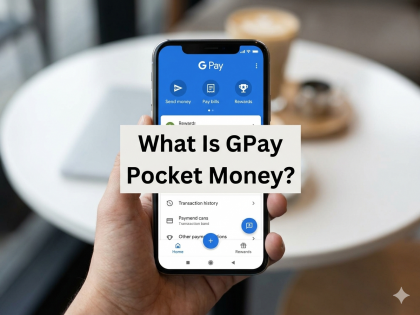
Google Pay has introduced a new feature titled “Pocket Money,” designed to transform how families manage digital spending for children and dependents. Built on the Unified Payments Interface (UPI) Circle framework, this feature enables parents to permit others to make transactions using their bank account without requiring those users to hold an independent account. The launch comes as younger individuals gain increasing access to smartphones and digital payment tools. With this addition, Google Pay is expanding its role beyond a simple payments platform, positioning itself as a practical solution for families to gradually introduce structured and supervised financial habits to younger users in a controlled digital environment.
Setup Process
The Pocket Money feature is structured to balance financial independence with parental supervision. It allows younger or dependent users to access funds while ensuring that the primary account holder retains complete control over transactions. To activate the feature, the main user must have a bank account linked to Google Pay and can then add up to five secondary users, including children or trusted individuals. These users only need the app installed and registered with their mobile number. Once connected, secondary users can initiate UPI payments, but all transactions are processed through the primary user’s account, ensuring transparency and oversight at every step of the payment process.
Also Read: What It Actually Feels Like to Have Full Camera Control Without a Camera
Spending Control
A significant highlight of the feature is its flexible spending control options. Parents can choose between two modes depending on their preferred level of supervision. One option allows setting a monthly spending cap of up to ₹15,000, enabling secondary users to make independent payments within the defined limit, similar to a digital allowance. The alternative mode offers stricter control, requiring approval for every transaction. In this setup, the secondary user must send a payment request that the primary user reviews before authorising it. This approach is particularly suitable for younger children or for families that prefer closer monitoring of spending activities and financial discipline.
Security Measures
To enhance safety and comply with regulatory standards, Google Pay has incorporated mandatory verification measures within the feature. Parents are required to confirm their relationship with the secondary user and submit valid government identification as part of the Know Your Customer (KYC) process. This ensures an added layer of security while minimising the risk of misuse. The feature aims to provide a secure digital payment experience while encouraging responsible financial behaviour. Users are advised that all financial information shared is for educational purposes and should be independently verified with qualified financial advisors before making any monetary decisions or commitments.
